
Blog
Understanding Electric Actuator Uses: A Comprehensive Guide
9 February 2026
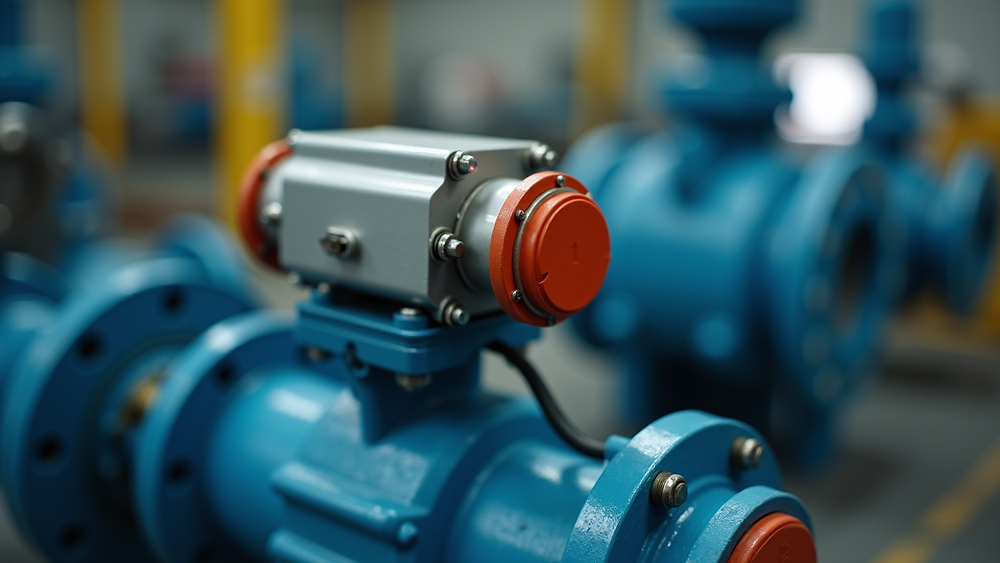
When it comes to automating valve operations in industrial and residential settings, understanding the role and applications of electric actuators is essential. These devices have revolutionised how we control valves, offering precision, reliability, and efficiency across various sectors. In this post, I’ll walk you through the fundamentals of electric actuators, their key uses, material considerations, and some practical insights that can help you make informed decisions for your projects.
What Are Electric Actuators and Why They Matter
Electric actuators are devices that convert electrical energy into mechanical motion. They are primarily used to operate valves, dampers, or other mechanical components remotely or automatically. Unlike manual valve operation, electric actuators provide consistent, repeatable control, which is crucial in industries where precision and safety are paramount.
For example, in water treatment plants, electric actuators enable precise flow control, ensuring water quality and system efficiency. In oil and gas, they help manage high-pressure valves safely without exposing operators to hazardous environments.
One interesting fact is that electric actuators can be designed for either linear or rotary motion, depending on the valve type they control. This flexibility makes them suitable for a wide range of applications, from simple on/off valves to complex modulating control valves.
Exploring Electric Actuator Uses Across Industries
Electric actuators find applications in many sectors, each with unique requirements. Here’s a breakdown of some common uses:
Oil and Gas
In this sector, safety and reliability are non-negotiable. Electric actuators are used to control valves that regulate the flow of crude oil, natural gas, and refined products. Their ability to integrate with control systems allows for remote operation and emergency shutdowns, reducing risk and downtime.
Chemical Processing
Chemical plants often handle corrosive and hazardous substances. Electric actuators made from corrosion-resistant materials like stainless steel or special alloys ensure longevity and safety. They provide precise control over chemical flows, mixing, and reactions, which is critical for product quality.
Water Treatment
Water treatment facilities use electric actuators to manage valves controlling water flow, filtration, and chemical dosing. The actuators’ accuracy helps maintain water purity and system efficiency. Additionally, their low maintenance requirements make them ideal for continuous operation.
Power Generation
In power plants, electric actuators control steam, gas, and water valves. Their fast response times and integration with automated control systems help optimise plant performance and safety.
Food and Beverage
Hygiene and precision are key in this industry. Electric actuators with food-grade materials and sealed designs ensure contamination-free operation while controlling valves in processing lines.
Material Choices for Valves and Actuators: What You Need to Know
Selecting the right materials for valves and actuators is crucial for durability and performance. Here are some common materials and their typical uses:
- Stainless Steel : Excellent corrosion resistance, widely used in chemical, food, and pharmaceutical industries.
- Carbon Steel : Strong and cost-effective, suitable for oil and gas applications where corrosion is less aggressive.
- Brass and Bronze : Often used in water and HVAC systems due to good corrosion resistance and machinability.
- Plastic (PVC, CPVC) : Lightweight and corrosion-resistant, ideal for low-pressure water treatment and chemical applications.
When it comes to actuators, the housing material should match the environment. For example, aluminium housings are lightweight and suitable for general industrial use, while stainless steel housings are preferred in harsh or corrosive environments.
An unexpected tip: sometimes, combining valve and actuator materials strategically can extend service life and reduce maintenance costs. For instance, pairing a stainless steel valve with an aluminium actuator housing can balance durability and weight.
Practical Tips for Choosing and Maintaining Electric Actuators
Choosing the right electric actuator involves more than just matching valve size. Here are some practical recommendations:
- Understand Torque Requirements
- Consider Control Options
- Check Environmental Ratings
- Plan for Power Supply
- Regular Maintenance
- Safety Features
Why Electric Actuators Are a Smart Investment
Investing in electric actuators can lead to significant benefits:
- Energy Efficiency : They consume power only when moving, unlike pneumatic systems that require continuous air supply.
- Precision and Repeatability : Ideal for processes requiring exact valve positioning.
- Reduced Labour Costs : Automation reduces the need for manual valve operation.
- Improved Safety : Remote operation keeps personnel away from hazardous areas.
- Integration with Automation : Easily connect to control systems for real-time monitoring and control.
In my experience, companies that switch to electric actuators often see improved process control and lower total cost of ownership over time.
Final Thoughts on Electric Actuator Uses and Selection
Understanding the diverse uses of electric actuators and the importance of material selection can help you make smarter choices for your projects. Whether you’re working in oil and gas, water treatment, or food processing, the right actuator can improve efficiency, safety, and reliability.
If you want to explore more about electric actuators and how they can fit your specific needs, I recommend consulting with suppliers who offer expert guidance and a wide product range. This approach ensures you get the best solution tailored to your application.
By investing time in understanding these devices, you’re not just buying a product—you’re securing a critical component that keeps your operations running smoothly and safely.
Thank you for reading! If you have questions or want to share your experiences with electric actuators, feel free to reach out or comment below.
Need help specifying valves or actuators? Contact Valves4You Ltd with your project details and the team can advise on suitable product options.