
Blog
Exploring Electric Actuators Benefits: The Advantages of Electric Valve Actuators
25 May 2026
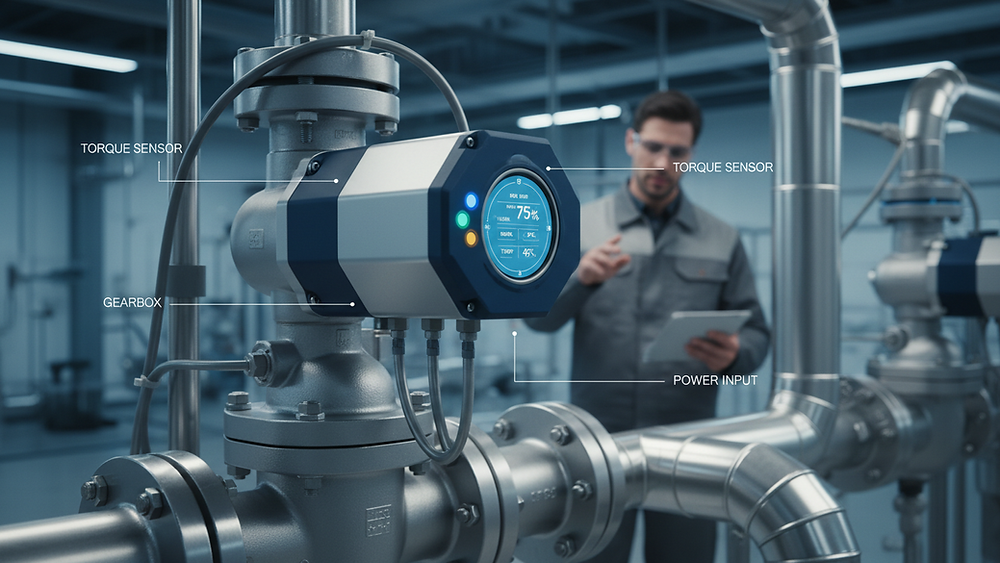
When it comes to controlling fluid flow in industrial and residential systems, the choice of valve actuators can significantly impact efficiency, reliability, and maintenance costs. Over the years, electric valve actuators have gained popularity as a smart alternative to pneumatic and hydraulic actuators. In this post, I want to share some insights into why electric valve actuators are becoming the preferred choice across various sectors such as oil and gas, chemical processing, water treatment, power generation, and food and beverage industries.
Electric valve actuators offer a blend of precision, durability, and ease of integration that can transform how valves operate in complex systems. Let’s dive into the key advantages and practical considerations that make these actuators stand out.
Understanding Electric Actuators Benefits in Industrial Applications
Electric actuators bring a range of benefits that are particularly valuable in industrial environments. One of the most significant advantages is precision control . Unlike pneumatic or hydraulic systems, electric actuators provide accurate positioning of valves, which is crucial for processes requiring tight flow regulation.
For example, in chemical processing plants, where the exact flow of reactants can affect product quality, electric actuators ensure valves open and close with minimal deviation. This precision reduces waste and improves overall process efficiency.
Another benefit is energy efficiency . Electric actuators consume power only when moving the valve, unlike pneumatic systems that require continuous air pressure. This can lead to substantial energy savings, especially in large facilities with numerous valves.
Maintenance is also simplified. Electric actuators have fewer moving parts exposed to wear and tear compared to hydraulic systems, which often suffer from leaks and require regular fluid checks. This translates to lower downtime and reduced maintenance costs.
Practical Tip:
When selecting electric actuators, consider the torque requirements and duty cycle of your valves. Oversizing can lead to unnecessary energy consumption, while undersizing may cause premature actuator failure.
Electric valve actuator mounted on an industrial pipeline
Comparing Valve Materials and Their Impact on Actuator Performance
Choosing the right valve material is just as important as selecting the actuator type. Valve materials affect durability, corrosion resistance, and compatibility with the fluid being controlled. Common materials include stainless steel, brass, cast iron, and various plastics.
For instance, stainless steel valves are preferred in food and beverage or pharmaceutical industries due to their corrosion resistance and hygienic properties. When paired with electric actuators, stainless steel valves can handle precise control in demanding environments without compromising longevity.
On the other hand, cast iron valves are often used in water treatment and power generation due to their robustness and cost-effectiveness. However, they may require actuators with higher torque ratings because of the valve’s weight and friction.
Plastic valves, such as those made from PVC or PTFE, are lightweight and corrosion-resistant, ideal for chemical processing involving aggressive fluids. Electric actuators designed for these valves can be more compact and energy-efficient.
Key Insight:
Matching valve material with actuator specifications ensures optimal performance and extends the service life of both components. Always consult with manufacturers or experts to verify compatibility.
Why Electric Valve Actuators Are a Game-Changer
One of the most compelling reasons to consider electric valve actuators is their adaptability. They can be easily integrated with modern control systems, including SCADA and PLCs, enabling remote operation and monitoring. This capability is invaluable for facilities aiming to implement Industry 4.0 technologies.
Moreover, electric actuators offer quiet operation , which is a significant advantage in residential or commercial settings where noise pollution is a concern. Unlike pneumatic actuators that can be loud due to air exhaust, electric actuators operate smoothly and silently.
Another unexpected benefit is their environmental friendliness . Since they do not rely on compressed air or hydraulic fluids, electric actuators reduce the risk of leaks and contamination. This aligns well with sustainability goals increasingly adopted by industries across Europe and the UK.
Fun Fact:
Did you know that electric actuators can be programmed to perform self-diagnostics? This feature helps predict maintenance needs before failures occur, saving time and money.
Electric actuator control panel with digital interface
Practical Recommendations for Choosing and Using Electric Actuators
If you’re considering upgrading to electric actuators or specifying them for new projects, here are some actionable tips:
- Assess the environment : Consider temperature, humidity, and exposure to chemicals. Some electric actuators are designed with IP ratings for harsh conditions.
- Evaluate power supply options : Electric actuators typically require AC or DC power. Ensure your facility’s power infrastructure supports the actuator’s requirements.
- Check for fail-safe options : In critical applications, actuators with battery backup or spring-return mechanisms provide safety during power outages.
- Look for modular designs : Modular actuators simplify installation and maintenance by allowing easy replacement of parts.
- Consider communication protocols : Compatibility with protocols like Modbus, Profibus, or HART can enhance integration with existing control systems.
By following these guidelines, you can maximize the benefits of electric actuators and avoid common pitfalls.
Embracing the Future with Electric Actuators
The shift towards electric valve actuators is more than a trend – it’s a strategic move towards smarter, more efficient, and sustainable operations. Whether you manage a water treatment plant, a chemical processing facility, or a commercial building, investing in electric actuators can improve control, reduce costs, and support environmental goals.
As the market evolves, I expect to see even more innovations in actuator technology, including enhanced connectivity, AI-driven diagnostics, and improved energy efficiency. Staying informed and choosing the right solutions today will position your operations for success tomorrow.
If you want to explore a wide range of electric actuators and accessories, consider trusted suppliers who offer expert guidance and quality products tailored to your needs.
I hope this overview has shed light on the many advantages of electric valve actuators and helped you make informed decisions for your projects. Feel free to reach out with questions or share your experiences with electric actuators in your industry!
Need help specifying valves or actuators? Contact Valves4You Ltd with your project details and the team can advise on suitable product options.