Blog
Exploring the Versatility of Pneumatic Actuators Functions
8 June 2026
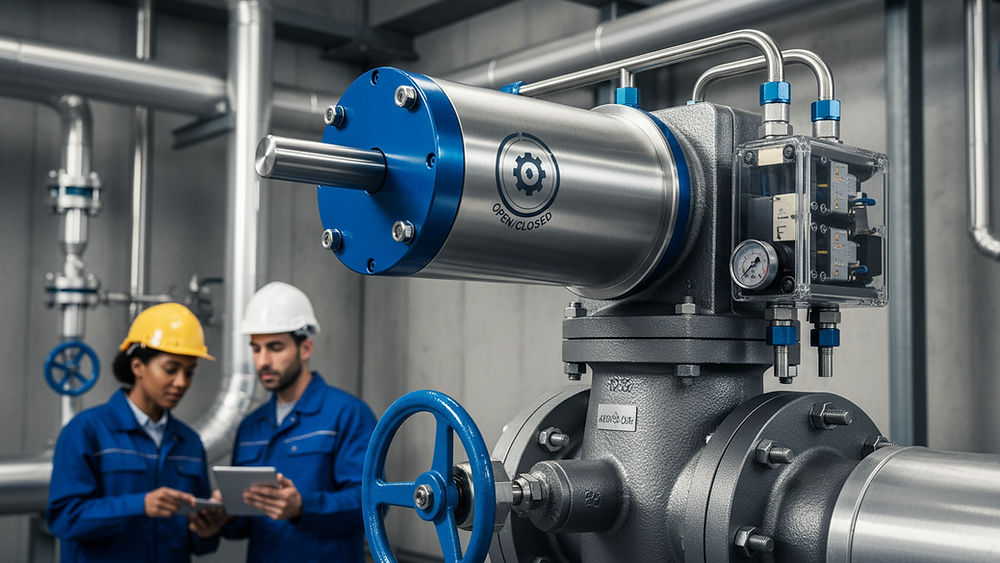
When it comes to controlling valves and machinery in industrial settings, the choice of actuator can make a significant difference in performance, reliability, and cost. Over the years, I have seen pneumatic actuators become a go-to solution for many sectors, from oil and gas to food and beverage processing. Their versatility and efficiency make them a fascinating topic to explore, especially for professionals looking to optimise their systems.
In this post, I want to share insights into the functions of pneumatic actuators, their applications, and some practical tips on selecting the right materials and designs. Whether you are an engineer, procurement specialist, or involved in maintenance, understanding these devices can help you make better decisions and improve operational outcomes.
Understanding Pneumatic Actuators Functions
Pneumatic actuators convert compressed air into mechanical motion, typically linear or rotary, to operate valves or other equipment. Their core function is to provide reliable, fast, and precise movement using air pressure, which is often readily available in industrial environments.
One of the key advantages of pneumatic actuators is their simplicity and safety . Unlike electric actuators, they do not pose an ignition risk in explosive atmospheres, making them ideal for oil and gas or chemical plants. They also tend to be lighter and more compact than hydraulic systems, which require fluid reservoirs and pumps.
Here are some common functions and benefits of pneumatic actuators:
- Fast response times : Air pressure can be applied or released quickly, allowing rapid valve operation.
- High force-to-weight ratio : Pneumatic actuators can generate significant force without heavy components.
- Fail-safe options : Spring-return designs ensure valves move to a safe position during power loss.
- Simple maintenance : Fewer moving parts and no hydraulic fluid reduce upkeep complexity.
- Cost-effective : Generally lower initial and operating costs compared to electric or hydraulic actuators.
In practical terms, pneumatic actuators are often used to automate ball valves, butterfly valves, and plug valves in pipelines and processing equipment. Their ability to handle various valve sizes and pressures makes them highly adaptable.
What are the three actuators?
When discussing actuators, it’s important to understand the three main types commonly used in industry:
- Pneumatic Actuators
- Electric Actuators
- Hydraulic Actuators
Each actuator type has its strengths and weaknesses, and the choice depends on factors like environment, control requirements, and budget. For example, pneumatic actuators excel in hazardous areas and where fast cycling is needed, while electric actuators are preferred for fine control.
Material Choices and Their Impact on Performance
One aspect that often gets overlooked is the material selection for valves and actuators. The right materials can extend service life, reduce maintenance, and improve safety.
For pneumatic actuators, the materials used in the actuator body, seals, and valve components must withstand the operating environment. Here are some common materials and their typical uses:
- Aluminium : Lightweight and corrosion-resistant, aluminium is common for actuator bodies in general industrial applications.
- Stainless Steel : Offers excellent corrosion resistance, especially in chemical or food processing plants. It is more expensive but worth the investment in harsh environments.
- Brass and Bronze : Often used in water treatment and low-pressure applications due to good corrosion resistance and machinability.
- Elastomers (Seals) : Materials like NBR, EPDM, and Viton are chosen based on temperature, chemical exposure, and pressure requirements.
For example, in a chemical plant handling aggressive fluids, a stainless steel actuator with Viton seals might be necessary to prevent degradation and leaks. Conversely, in a dry, non-corrosive environment, aluminium with NBR seals could be a cost-effective choice.
Understanding these material differences helps in specifying actuators that not only perform well but also reduce downtime and replacement costs.
Practical Tips for Selecting Pneumatic Actuators
Choosing the right pneumatic actuator involves more than just picking a size. Here are some actionable recommendations based on my experience:
- Match actuator size to valve torque requirements
- Consider the duty cycle
- Evaluate environmental conditions
- Decide on fail-safe operation
- Check air supply quality
- Look for modular designs
- Verify compliance and certifications
By following these tips, you can select pneumatic actuators that fit your application perfectly and provide reliable service.
Unexpected Facts About Pneumatic Actuators
To wrap up, here are some interesting nuggets that might surprise you:
- Pneumatic actuators can operate underwater
With proper sealing and materials, pneumatic actuators are used in subsea valve control, such as in offshore oil rigs.
- They are often more energy-efficient than electric actuators in certain applications
When compressed air is already available, pneumatic actuators avoid the energy losses associated with electric motors.
- Pneumatic actuators can be quieter than hydraulic systems
While hydraulics can be noisy due to fluid flow and pumps, pneumatic systems tend to produce less operational noise.
- They can be customised for explosion-proof environments
Pneumatic actuators are inherently safe in hazardous zones because they do not generate sparks or heat.
- Maintenance can be as simple as replacing seals
Many actuator failures are due to worn seals, which are inexpensive and quick to replace, extending actuator life significantly.
These facts highlight why pneumatic actuators remain a popular choice across diverse industries and applications.
Exploring the versatility of pneumatic actuators reveals their critical role in modern industrial automation. Their combination of safety, speed, and adaptability makes them indispensable in many sectors. By understanding their functions, material options, and selection criteria, you can optimise your systems for better performance and reliability. Whether upgrading existing equipment or designing new installations, pneumatic actuators offer a robust and cost-effective solution worth considering.
Need help specifying valves or actuators? Contact Valves4You Ltd with your project details and the team can advise on suitable product options.