
Blog
Exploring the Electric Valve Actuators Benefits: Why They Matter in Modern Industry
22 June 2026
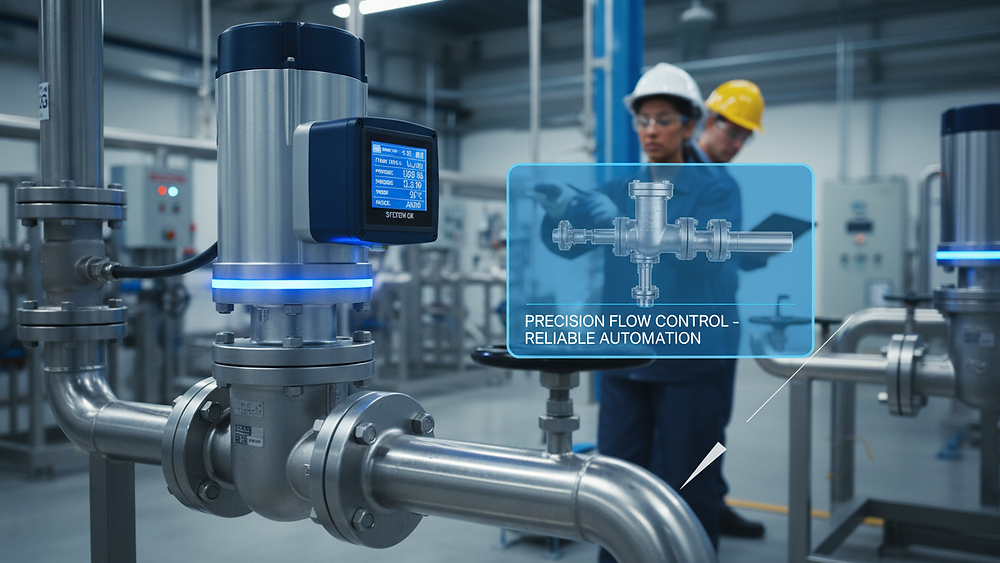
When it comes to controlling fluid flow in industrial and residential settings, the choice of valve actuators can make a significant difference. Over the years, technology has evolved, and electric valve actuators have become a popular choice across various sectors such as oil and gas, chemical processing, water treatment, power generation, and food and beverage. Their rise in popularity is no accident; these devices offer a range of advantages that can improve efficiency, safety, and operational control.
In this post, I want to share insights into the benefits of electric valve actuators, drawing on practical examples and technical details that can help you make informed decisions for your projects or procurement needs.
Understanding the Electric Valve Actuators Benefits
Electric valve actuators provide precise control over valve operation by converting electrical energy into mechanical torque. This allows valves to open, close, or modulate flow with accuracy and repeatability. Here are some key benefits that make them stand out:
1. Precision and Control
Electric actuators offer excellent positioning accuracy, often within fractions of a degree. This precision is crucial in processes where flow rates must be tightly regulated, such as in chemical dosing or steam control in power plants. Unlike pneumatic or hydraulic actuators, electric models can be programmed for exact positioning without the need for additional control valves or complex feedback systems.
2. Energy Efficiency
Electric valve actuators consume power only when moving the valve, unlike pneumatic systems that require continuous compressed air supply. This can lead to significant energy savings, especially in large-scale operations where multiple valves are in use. Additionally, electric actuators can be integrated with energy management systems to optimize power consumption further.
3. Low Maintenance and Longevity
Because electric actuators have fewer moving parts and do not rely on fluids like oil or air, they tend to require less maintenance. This reduces downtime and operational costs. Their robust design also means they can withstand harsh environments, including extreme temperatures and corrosive atmospheres, which are common in industries like oil and gas.
4. Safety and Reliability
Electric actuators can be equipped with fail-safe features such as battery backups or spring-return mechanisms to ensure valves move to a safe position during power failures. This is critical in hazardous environments where valve position directly impacts safety. Moreover, electric actuators provide consistent torque and speed, reducing the risk of valve damage or leaks.
5. Integration and Automation
Modern electric valve actuators are designed to integrate seamlessly with control systems such as SCADA or DCS. They support communication protocols like Modbus, Profibus, or HART, enabling remote monitoring and control. This connectivity facilitates predictive maintenance, real-time diagnostics, and automated process adjustments, enhancing overall operational efficiency.
Comparing Valve Materials and Their Impact on Actuator Performance
Choosing the right valve material is as important as selecting the actuator. The material affects durability, compatibility with fluids, and the actuator’s workload. Here’s a quick comparison of common valve materials and how they interact with electric actuators:
- Stainless Steel: Highly resistant to corrosion and suitable for aggressive chemicals. Its weight can demand actuators with higher torque ratings.
- Brass: Common in residential and light industrial applications. Lighter than steel, allowing for smaller actuators.
- PVC and Plastic: Ideal for water treatment and non-corrosive fluids. Lightweight and cost-effective but limited in high-temperature applications.
- Cast Iron: Durable and cost-effective for general industrial use but heavier, requiring robust actuators.
Selecting the right combination ensures optimal actuator sizing and longevity. For example, pairing a stainless steel valve with an appropriately rated electric actuator ensures smooth operation without overloading the motor.
Practical Recommendations for Selecting Electric Valve Actuators
When specifying electric valve actuators, consider the following factors to maximize benefits:
- Torque Requirements: Calculate the torque needed to operate the valve under all conditions, including pressure and temperature variations.
- Duty Cycle: Understand how often and how long the actuator will operate. Some actuators are designed for continuous modulation, while others suit on/off control.
- Environmental Conditions: Choose actuators with suitable ingress protection (IP) ratings and materials to withstand dust, moisture, or explosive atmospheres.
- Control Features: Decide if you need simple open/close control or advanced positioning with feedback and communication capabilities.
- Power Supply: Verify voltage and power availability on-site to ensure compatibility.
By carefully evaluating these aspects, you can select an actuator that not only fits your technical needs but also contributes to operational efficiency and safety.
Unexpected Facts About Electric Valve Actuators
Here are some lesser-known but interesting facts that might surprise you:
- Silent Operation: Unlike pneumatic actuators that can be noisy due to air exhaust, electric actuators operate quietly, which is beneficial in residential or noise-sensitive environments.
- Smart Actuators: Some electric actuators come with built-in diagnostics that can predict failures before they happen, reducing unplanned downtime.
- Environmental Impact: By reducing energy consumption and eliminating the need for compressed air, electric actuators contribute to greener operations.
- Retrofit Friendly: Many electric actuators can be retrofitted onto existing manual or pneumatic valves, offering a cost-effective upgrade path.
These points highlight how electric valve actuators are not just functional components but also contributors to smarter, safer, and more sustainable industrial practices.
Why I Recommend Electric Valve Actuators for Your Next Project
Having worked with various valve technologies, I can confidently say that electric valve actuators offer a compelling mix of precision, efficiency, and reliability. Whether you are managing a complex chemical plant or upgrading a water treatment facility, these actuators provide control and peace of mind.
If you want to explore options or need expert advice, consider checking out electric valve actuators from trusted suppliers who understand the nuances of industrial applications. Investing in the right actuator today can save you time, money, and headaches tomorrow.
I hope this overview helps you appreciate the many benefits of electric valve actuators and guides you toward making the best choice for your needs. If you have questions or want to share your experiences, feel free to reach out or comment below!
Need help specifying valves or actuators? Contact Valves4You Ltd with your project details and the team can advise on suitable product options.