
Blog
Discover Top UK Industrial Valve Suppliers
29 June 2026
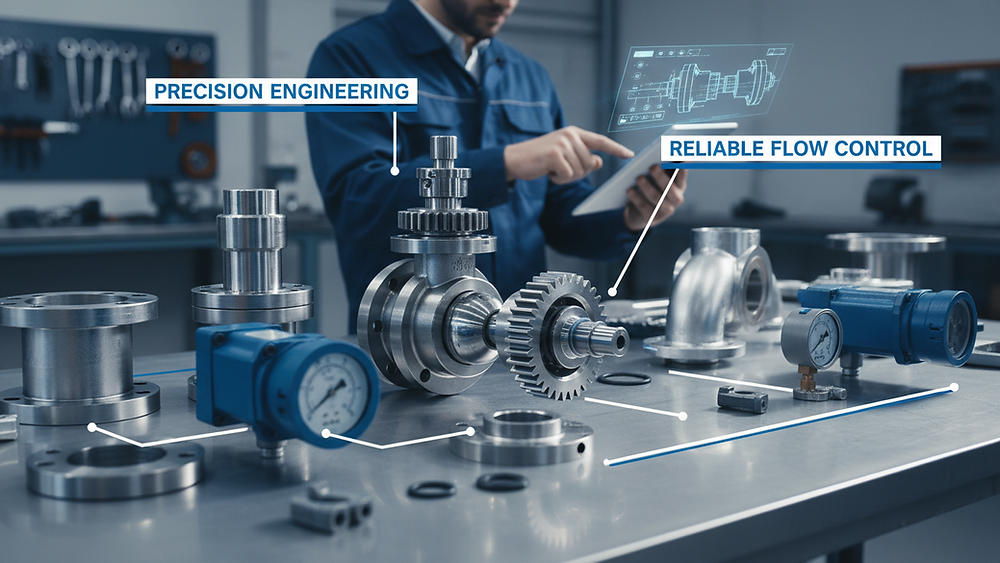
When it comes to sourcing valves for industrial or residential projects, finding the right supplier is crucial. Valves are the unsung heroes of many systems, controlling flow, pressure, and safety across a wide range of applications. Whether you’re working in oil and gas, chemical processing, water treatment, power generation, or food and beverage, the quality and reliability of your valves can make or break your operation.
In this post, I’ll share insights into the top UK industrial valve suppliers, discuss the materials and types of valves commonly used, and offer practical tips to help you make informed decisions. Let’s dive in!
Why Choosing the Right UK Industrial Valve Suppliers Matters
Selecting a valve supplier is not just about price or availability. It’s about trust, expertise, and support. The UK has a strong industrial base with suppliers who understand the specific needs of local and international markets. Here’s why working with reputable UK industrial valve suppliers is beneficial:
- Compliance and Standards : UK suppliers often adhere to stringent British and European standards, ensuring valves meet safety and performance requirements.
- Technical Support : Many suppliers provide expert guidance on valve selection, installation, and maintenance.
- Customization : UK suppliers can often tailor valves to your specific needs, including material, size, and pressure ratings.
- Supply Chain Reliability : Local suppliers reduce lead times and shipping complexities, which is critical for project timelines.
By partnering with the right supplier, you gain more than just a product—you get a reliable partner in your project’s success.
Understanding Valve Materials and Their Uses
One of the most important factors when choosing valves is the material they are made from. Different materials suit different environments and fluids. Here’s a quick guide to common valve materials and their typical applications:
1. Stainless Steel
- Properties : Corrosion-resistant, durable, and suitable for high temperatures.
- Applications : Chemical processing, food and beverage, water treatment.
- Advantages : Excellent hygiene standards, resists rust and chemical attack.
2. Carbon Steel
- Properties : Strong and cost-effective but less corrosion-resistant.
- Applications : Oil and gas, power generation.
- Advantages : Handles high pressure and temperature well.
3. Brass and Bronze
- Properties : Good corrosion resistance, especially in water.
- Applications : Residential plumbing, water supply.
- Advantages : Easy to machine and maintain.
4. PVC and Plastic
- Properties : Lightweight, corrosion-resistant, and cost-effective.
- Applications : Low-pressure water systems, chemical handling.
- Advantages : Non-conductive and easy to install.
5. Alloy Materials
- Properties : Designed for extreme conditions like high temperature and corrosive environments.
- Applications : Specialized chemical and petrochemical industries.
- Advantages : Extended service life in harsh conditions.
Knowing the right material for your application can save you from costly downtime and maintenance.
Types of Valves and Their Industrial Applications
Valves come in many shapes and sizes, each designed for specific functions. Here’s a breakdown of the most common types and where they shine:
Ball Valves
- Function : Quick shut-off with a simple quarter-turn operation.
- Use : Ideal for gas and liquid flow control in pipelines.
- Benefits : Durable, low maintenance, and reliable sealing.
Gate Valves
- Function : Used to start or stop flow; not suitable for throttling.
- Use : Water supply, oil and gas pipelines.
- Benefits : Minimal pressure drop when fully open.
Globe Valves
- Function : Precise flow regulation.
- Use : Steam systems, chemical processing.
- Benefits : Good throttling capabilities.
Butterfly Valves
- Function : Quick shut-off with a rotating disc.
- Use : Large diameter pipes, water treatment.
- Benefits : Lightweight and cost-effective.
Check Valves
- Function : Prevent backflow.
- Use : Pump systems, water and wastewater.
- Benefits : Protects equipment from damage.
Understanding these types helps you specify the right valve for your system’s needs.
How to Choose the Best Valve Supplier in the UK
With so many options, how do you pick the best valve supplier? Here are some practical tips:
- Assess Product Range
- Check Certifications and Standards
- Evaluate Technical Support
- Consider Lead Times and Stock Availability
- Review Customer Service and After-Sales Support
- Look for Customization Capabilities
By following these steps, you can confidently select a supplier that fits your project requirements.
Interesting Facts About Valves You Might Not Know
Valves might seem straightforward, but they have some surprising aspects:
- The Largest Valve in the World : The KSB butterfly valve in Germany measures over 12 meters in diameter and is used in hydroelectric power plants.
- Valves in Space : Specialized valves are used in spacecraft to control fuel and life support systems under extreme conditions.
- Smart Valves : Modern valves can be equipped with sensors and actuators for remote monitoring and control, improving efficiency and safety.
- Material Innovations : New composite materials are being developed to reduce weight and increase corrosion resistance in valves.
These facts highlight how valves continue to evolve and play critical roles in advanced technologies.
Partnering with Trusted Valve Suppliers UK
Finding the right valve supplier is a strategic decision that impacts your project’s success and operational efficiency. By choosing experienced and reliable UK industrial valve suppliers, you gain access to quality products, expert advice, and dependable service.
If you want to explore a comprehensive range of valves and accessories, I recommend checking out valve suppliers uk who offer extensive options and support tailored to your needs.
Investing time in selecting the right supplier today will pay off in smoother operations and fewer headaches tomorrow. Whether you need stainless steel ball valves for chemical processing or durable gate valves for water treatment, the UK market has trusted suppliers ready to help.
I hope this guide helps you navigate the world of industrial valves with confidence. If you have any questions or want to share your experiences with valve suppliers, feel free to reach out!
Need help specifying valves or actuators? Contact Valves4You Ltd with your project details and the team can advise on suitable product options.