
Blog
Ball Valve Suppliers and Applications: Residential Valve Solutions
13 April 2026
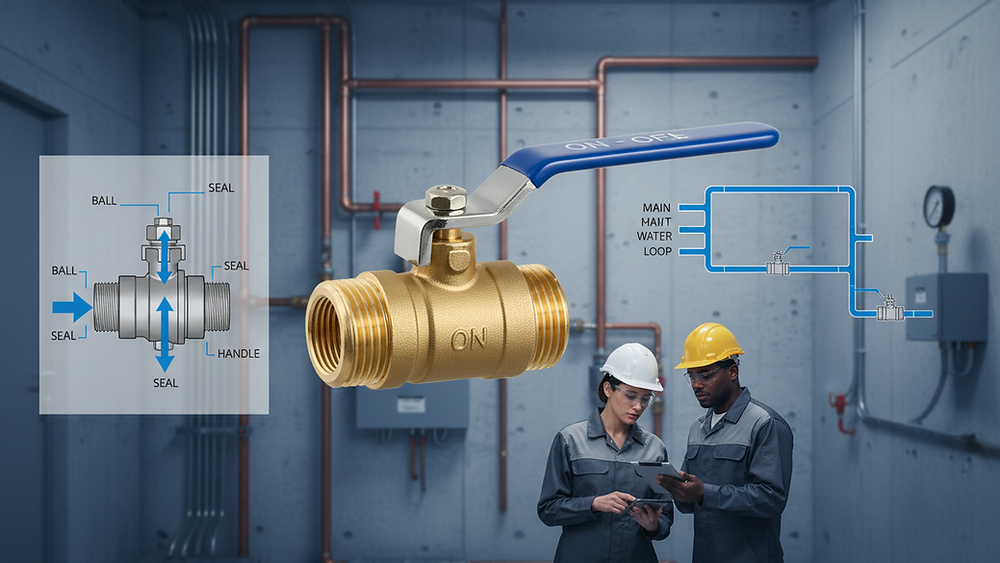
When it comes to valves, ball valves stand out as one of the most versatile and reliable options available. Whether you are managing an industrial plant or overseeing residential plumbing, understanding the nuances of ball valves can make a significant difference in performance and maintenance. Today, I want to share insights about ball valve suppliers and applications, focusing on residential valve solutions and beyond. This post will help you make informed decisions, whether you’re sourcing valves or specifying them for a project.
Understanding Ball Valves and Their Importance in Residential Valve Solutions
Ball valves are quarter-turn valves that use a hollow, perforated, and pivoting ball to control flow. When the ball’s hole aligns with the flow, the valve is open; when it’s perpendicular, the valve is closed. This simple mechanism offers excellent sealing, durability, and ease of operation.
In residential settings, ball valves are commonly used for water supply lines, heating systems, and gas lines. Their quick shut-off capability is invaluable during emergencies or maintenance. Unlike gate or globe valves, ball valves provide a tight seal with minimal leakage, which is crucial for safety and efficiency.
Why Choose Ball Valves for Residential Use?
- Durability: Ball valves can last for decades with minimal wear.
- Ease of Use: The quarter-turn operation is intuitive and fast.
- Low Maintenance: They require less upkeep compared to other valve types.
- Versatility: Suitable for water, gas, and even some chemical applications in homes.
If you’re specifying valves for a residential project, consider the material carefully. Brass and stainless steel are popular choices due to their corrosion resistance and strength. PVC ball valves are also common for cold water lines and irrigation systems.
Key Materials Used in Ball Valves and Their Applications
Choosing the right material for a ball valve is critical. The material affects the valve’s durability, compatibility with fluids, and overall cost. Here’s a quick comparison of common materials used in ball valves:
Brass
- Applications: Residential water and gas lines, HVAC systems.
- Advantages: Good corrosion resistance, affordable, easy to machine.
- Limitations: Not suitable for highly corrosive chemicals or high-pressure steam.
Stainless Steel
- Applications: Industrial processes, food and beverage, chemical plants.
- Advantages: Excellent corrosion resistance, high strength, suitable for high temperatures.
- Limitations: More expensive than brass, heavier.
PVC (Polyvinyl Chloride)
- Applications: Irrigation, cold water systems, some chemical applications.
- Advantages: Lightweight, corrosion-resistant, cost-effective.
- Limitations: Not suitable for high temperatures or pressures.
Carbon Steel
- Applications: Oil and gas, power generation, heavy industrial use.
- Advantages: High strength, good for high-pressure applications.
- Limitations: Requires protective coatings to prevent corrosion.
Understanding these materials helps in selecting the right valve for your specific needs. For example, a stainless steel ball valve is ideal for a chemical processing plant where corrosion resistance is paramount, while a brass valve might be perfect for a residential heating system.
Exploring Industrial and Commercial Applications of Ball Valves
Ball valves are not just for residential use. Their robust design makes them indispensable in many industrial and commercial sectors. Here are some key applications:
Oil and Gas Industry
Ball valves are used extensively in upstream, midstream, and downstream operations. Their ability to handle high pressures and corrosive fluids makes them ideal for controlling crude oil, natural gas, and refined products.
Chemical Processing
In chemical plants, ball valves must resist aggressive chemicals and high temperatures. Stainless steel and special alloys are often used to ensure longevity and safety.
Water Treatment
Ball valves control the flow of water and chemicals in treatment plants. Their tight sealing prevents leaks that could cause contamination or system failure.
Food and Beverage
Sanitary ball valves made from stainless steel are used to maintain hygiene and prevent contamination in food processing lines.
Power Generation
Ball valves regulate steam, water, and fuel flow in power plants. Their reliability is critical to maintaining continuous operation.
How to Choose the Right Ball Valve Supplier
Selecting a reliable ball valve supplier is as important as choosing the right valve. A good supplier offers quality products, expert advice, and excellent customer service. Here are some tips to help you find the best fit:
1. Product Range and Availability
Look for suppliers who stock a wide range of ball valves in different materials, sizes, and pressure ratings. This ensures you can find the exact valve you need without long lead times.
2. Technical Expertise
A knowledgeable supplier can guide you through material selection, valve specifications, and compliance with industry standards. This reduces the risk of costly mistakes.
3. Quality Assurance
Check if the supplier provides certifications such as ISO, API, or CE. Quality assurance guarantees that valves meet safety and performance standards.
4. After-Sales Support
Good suppliers offer technical support, installation guidance, and warranty services. This support is invaluable, especially for complex industrial applications.
5. Competitive Pricing
While price is important, don’t compromise quality for cost. The cheapest valve may lead to failures and higher maintenance costs down the line.
For those sourcing valves in the UK, I recommend exploring options from ball valve suppliers uk who combine quality, expertise, and service tailored to both residential and industrial needs.
Unexpected Facts and Tips About Ball Valves
To wrap up, here are some interesting nuggets about ball valves that might surprise you or help you in your next project:
- Ball valves can be fire-safe. Certain designs include fire-safe features that maintain sealing even after exposure to fire, critical in oil and gas industries.
- Size matters. Larger ball valves require more torque to operate, so consider actuators or gear operators for valves above 2 inches.
- Not all ball valves are full bore. Full bore valves have a ball hole equal to the pipe diameter, minimizing pressure drop. Reduced bore valves are smaller and cheaper but cause some flow restriction.
- Maintenance is minimal but important. Regular inspection of seals and lubrication can extend valve life significantly.
- Ball valves can be automated. Many industrial applications use electric or pneumatic actuators for remote operation and process control.
Understanding these details can help you specify the right valve and avoid common pitfalls.
Enhancing Your Projects with the Right Ball Valve Solutions
Choosing the right ball valve and supplier can transform your project’s efficiency and reliability. Whether you’re working on a residential heating system or a large-scale industrial plant, the right valve material, design, and supplier support are key.
Remember to evaluate your application’s pressure, temperature, and fluid type before selecting a valve. Don’t hesitate to consult with suppliers who can provide expert guidance tailored to your needs.
By investing time in understanding ball valves and their applications, you ensure safer, more efficient, and cost-effective operations. If you’re looking for trusted suppliers, especially in the UK, consider checking out ball valve suppliers uk for a comprehensive range and expert advice.
I hope this post has provided useful insights and practical tips to help you navigate the world of ball valves with confidence. Feel free to reach out with questions or share your experiences with ball valve applications!
Need help specifying valves or actuators? Contact Valves4You Ltd with your project details and the team can advise on suitable product options.