
Blog
How to Choose a UK Ball Valve Supplier
23 February 2026
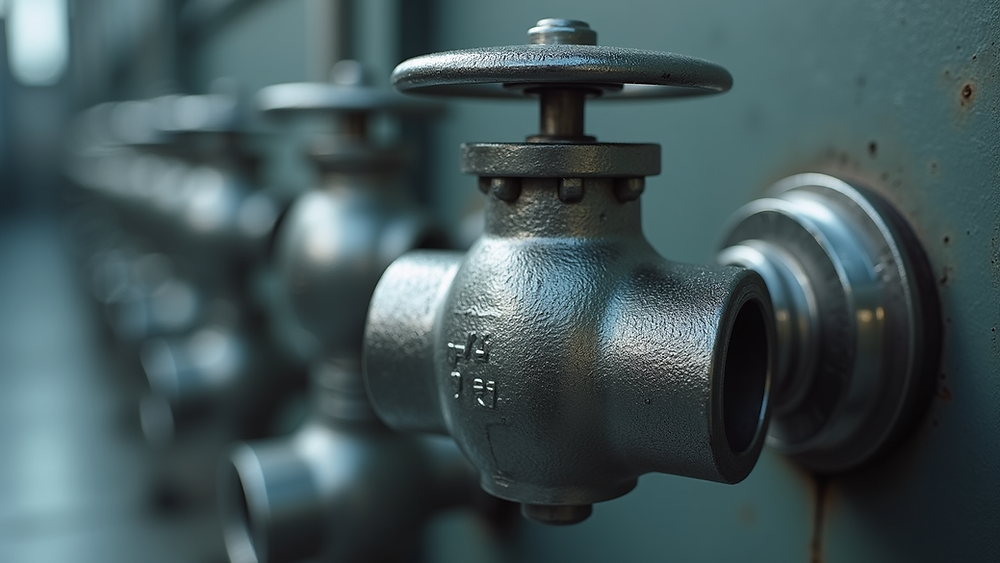
Choosing a ball valve is not simply a matter of matching the nominal pipe size. The process medium, pressure and temperature range, valve construction, end connection and operating method all affect the selection. A useful supplier should therefore ask for the application details before recommending a product.
This guide explains the information a UK industrial buyer should prepare and the questions to ask when comparing ball valve options. Final suitability must always be checked against the selected manufacturer’s datasheet and the actual operating conditions.
What a ball valve does
A ball valve uses a bored ball that rotates through a quarter turn. In the open position the bore aligns with the pipeline; in the closed position the solid side of the ball blocks the flow. Ball valves are commonly considered for isolation duties, although the precise service capability depends on the valve design, seat system and manufacturer limits.
Full-bore and reduced-bore designs are available. A full-bore valve generally gives a flow path closer to the adjoining pipe bore. A reduced-bore valve has a smaller internal opening. The effect on pressure loss and the required flow capacity should be considered for the specific system.
Information to provide before requesting a quotation
- Process medium: identify the fluid or gas, its concentration and any solids or contamination.
- Pressure: provide normal and maximum operating pressure, differential pressure and any vacuum or surge conditions.
- Temperature: give the minimum, normal and maximum process and ambient temperatures.
- Size and connection: state nominal size, flange drilling or thread standard, pressure class and any face-to-face constraint.
- Function: confirm whether the valve is for isolation, diversion or another defined duty.
- Operation: specify lever, gearbox, pneumatic or electric actuation, plus operating frequency and required fail position.
- Project requirements: list any required testing, documentation, traceability or third-party approval.
Construction details that need checking
Body, ball, stem and seat materials
Material names alone do not establish suitability. The body, ball, stem, seats, seals and any cavity arrangement should be reviewed as a complete construction. Chemical compatibility, pressure-temperature limits, wear, cleaning requirements and the consequences of external corrosion may all influence the choice.
For chemical service, provide the full medium description and concentration rather than a general label. Compatibility can change with temperature, concentration and contaminants.
Body pattern and maintainability
One-piece, two-piece, three-piece, top-entry and flanged constructions have different installation and maintenance implications. Ask how the valve will be isolated, removed or serviced and whether the proposed design suits the site’s maintenance plan.
Actuation and mounting
An actuated package must be sized using the valve manufacturer’s torque data at the stated differential pressure and service conditions. Supply pressure or electrical supply, cycle frequency, environmental protection, control signal, indication and fail action should be confirmed. A mounting interface on its own does not prove that an actuator is correctly sized.
How to assess a UK ball valve supplier
Compare suppliers on the quality of the technical response as well as price and lead time. A clear quotation should identify the offered manufacturer and model, construction materials, pressure-temperature basis, connections, actuation details, exclusions and supporting documents. Any certification or approval should relate to the exact product being offered, not to a general product family.
Be cautious when a recommendation is made without the process conditions, or when broad claims such as “chemical resistant”, “fire safe” or “suitable for steam” are not tied to a specific configuration and supporting documentation.
Ball valve enquiry checklist
For a more useful first response, send the medium, concentration, size, connection, operating and design pressures, temperature range, required materials, manual or actuated operation, fail position, quantity and delivery location. Include any existing valve details or photographs where they are relevant and safe to share.
Browse ball valves and request specification support
Explore the Valves4You ball valve range or send your application and quotation requirements. Valves4You Ltd can help identify candidate products, with final selection confirmed against the chosen product data and project conditions.