
Blog
Find Valve Distributors UK: Finding Reliable Valve Suppliers in the UK
29 June 2026
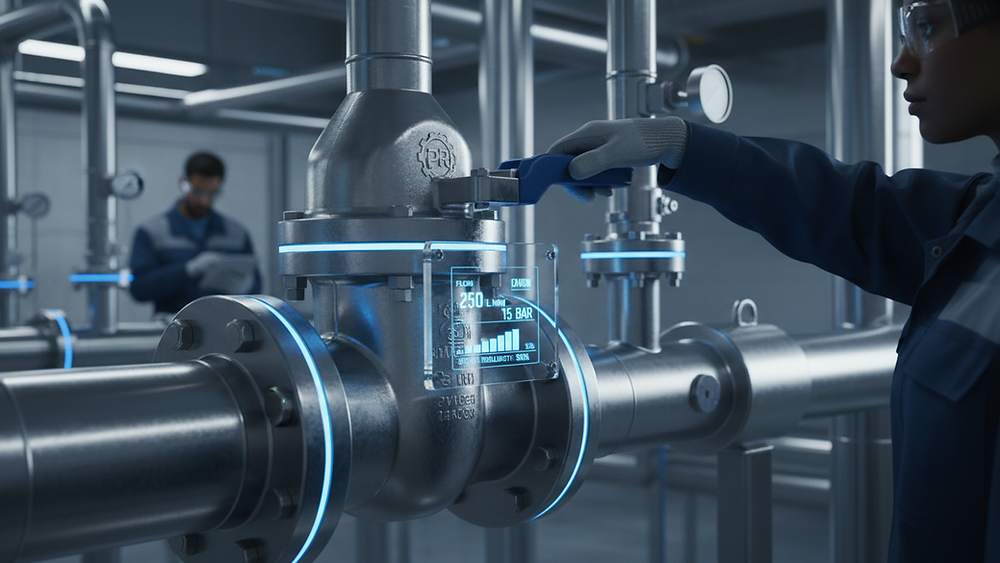
When it comes to sourcing valves for industrial or residential projects, reliability and quality are non-negotiable. Valves play a critical role in controlling the flow of liquids and gases, and choosing the right supplier can make all the difference in performance, safety, and cost-efficiency. Over the years, I have learned that finding reliable valve suppliers in the UK requires a blend of technical knowledge, market insight, and a clear understanding of your specific needs.
In this post, I want to share practical tips and insights to help you navigate the valve supply landscape in the UK. Whether you are involved in oil and gas, chemical processing, water treatment, power generation, or food and beverage sectors, this guide will provide you with useful nuggets of information to make informed decisions.
How to Find Valve Distributors UK That Meet Your Needs
Finding valve distributors UK-wide can seem overwhelming given the number of options available. However, focusing on a few key factors can streamline your search:
- Product Range and Specialisation : Look for suppliers who offer a wide variety of valve types such as ball valves, butterfly valves, gate valves, and globe valves. Some suppliers specialise in certain materials or industries, which can be a huge advantage if you have specific requirements.
- Material Expertise : Valves come in various materials like stainless steel, brass, cast iron, and plastic. Each material has its pros and cons depending on the application. For example, stainless steel valves are excellent for corrosive environments, while brass valves are often used in residential plumbing.
- Certifications and Standards Compliance : Ensure the supplier adheres to industry standards such as ISO, API, or BS EN. This guarantees the valves meet safety and quality benchmarks.
- Technical Support and After-Sales Service : A reliable supplier should offer expert guidance during selection and provide support after purchase, including maintenance advice and warranty services.
- Delivery and Stock Availability : Timely delivery is crucial, especially for large projects. Check if the supplier maintains adequate stock or offers quick lead times.
By prioritising these factors, you can narrow down your options and focus on suppliers who align with your project goals.
Understanding Valve Materials and Their Applications
One of the most common questions I get is about valve materials and which ones are best suited for different applications. Here’s a quick overview of popular valve materials and their typical uses:
- Stainless Steel : Highly resistant to corrosion and suitable for harsh environments such as chemical plants and offshore oil rigs. Stainless steel valves are durable and can handle high temperatures and pressures.
- Brass : Commonly used in residential and light commercial plumbing due to its good corrosion resistance and affordability. Brass valves are easy to machine and maintain.
- Cast Iron : Often used in water treatment and HVAC systems. Cast iron valves are strong and cost-effective but not suitable for highly corrosive environments.
- PVC and Plastic : Ideal for low-pressure applications and where chemical resistance is needed, such as in food processing or water treatment plants.
- Carbon Steel : Used in high-pressure applications like power generation and oil and gas. Carbon steel valves offer strength but require protective coatings to prevent corrosion.
Choosing the right material depends on factors like fluid type, temperature, pressure, and environmental conditions. For example, a valve handling seawater would require corrosion-resistant materials like stainless steel or special alloys.
Comparing Valve Types: Which One is Right for You?
Valves come in many designs, each with unique advantages. Here’s a brief comparison of common valve types to help you decide:
- Ball Valves : Known for their quick shut-off capabilities and durability. They provide tight sealing and are excellent for on/off control.
- Butterfly Valves : Lightweight and compact, butterfly valves are suitable for large diameter pipes and offer good flow control.
- Gate Valves : Ideal for fully open or fully closed positions. They have low pressure drop but are slower to operate.
- Globe Valves : Provide precise flow regulation and are often used in throttling applications.
- Check Valves : Prevent backflow and protect equipment from damage.
Each valve type has its place depending on the operational requirements. For instance, ball valves are preferred in oil and gas for their reliability, while butterfly valves are common in water treatment due to their size and cost-effectiveness.
Tips for Evaluating Valve Suppliers in the UK
When you start contacting suppliers, here are some practical tips to evaluate their reliability:
- Request Detailed Product Information : Ask for datasheets, material certificates, and compliance documents.
- Check Customer Reviews and Case Studies : Real-world feedback can reveal the supplier’s strengths and weaknesses.
- Assess Technical Expertise : A knowledgeable supplier will ask questions about your application and offer tailored solutions.
- Compare Pricing Transparently : Beware of prices that seem too good to be true; quality valves come at a fair cost.
- Visit Supplier Facilities if Possible : Seeing their operations firsthand can build confidence in their capabilities.
By following these steps, you can avoid common pitfalls such as receiving substandard products or facing delivery delays.
Why Partnering with the Right Valve Supplier Matters
Choosing the right valve supplier is more than just a transaction – it’s a partnership that impacts your project’s success. A dependable supplier not only provides quality products but also helps you:
- Reduce Downtime : Reliable valves reduce the risk of leaks and failures.
- Improve Safety : Certified valves ensure compliance with safety regulations.
- Optimize Costs : Efficient valves lower maintenance and energy costs.
- Gain Technical Support : Expert advice helps you select the best valve for your needs.
For those looking to source valves in the UK, I recommend exploring valve suppliers uk who combine product excellence with outstanding service.
Final Thoughts on Finding the Best Valve Distributors UK
Finding the right valve distributors UK-wide requires a balance of technical knowledge, market research, and clear communication. By understanding valve materials, types, and supplier evaluation criteria, you can make confident choices that benefit your projects in the long run.
Remember, valves are critical components that deserve careful consideration. Investing time in selecting the right supplier will pay off in reliability, safety, and cost savings.
If you want to explore a trusted source for valves, actuators, and accessories, consider suppliers who offer comprehensive product ranges, expert guidance, and excellent customer service. Your projects deserve nothing less.
I hope this guide helps you navigate the valve supply market with greater ease and confidence. If you have any questions or want to share your experiences, feel free to reach out!
Need help specifying valves or actuators? Contact Valves4You Ltd with your project details and the team can advise on suitable product options.