Exploring the Benefits of Electric Actuator Applications
- Mark Richardson
- May 4
- 4 min read
When it comes to controlling valves and other mechanical devices in industrial and residential settings, the choice of actuator can make a significant difference. Over the years, electric actuators have gained popularity due to their precision, reliability, and ease of integration. In this post, I want to share insights into the benefits of electric actuators, their applications, and why they might be the right choice for your next project.
Electric Actuator Applications: Where and Why They Matter
Electric actuators are widely used across various industries, including oil and gas, chemical processing, water treatment, power generation, and food and beverage. Their ability to provide accurate control over valve positioning makes them indispensable in processes where precision and repeatability are critical.
For example, in water treatment plants, electric actuators help regulate flow rates and pressure by controlling valves with high accuracy. This ensures optimal treatment processes and reduces waste. In the oil and gas sector, they are used to manage the flow of hydrocarbons safely and efficiently, often in hazardous environments where remote operation is essential.
One of the key advantages of electric actuators is their compatibility with automation systems. They can be easily integrated with PLCs (Programmable Logic Controllers) and SCADA (Supervisory Control and Data Acquisition) systems, enabling real-time monitoring and control. This integration improves operational efficiency and reduces the need for manual intervention.
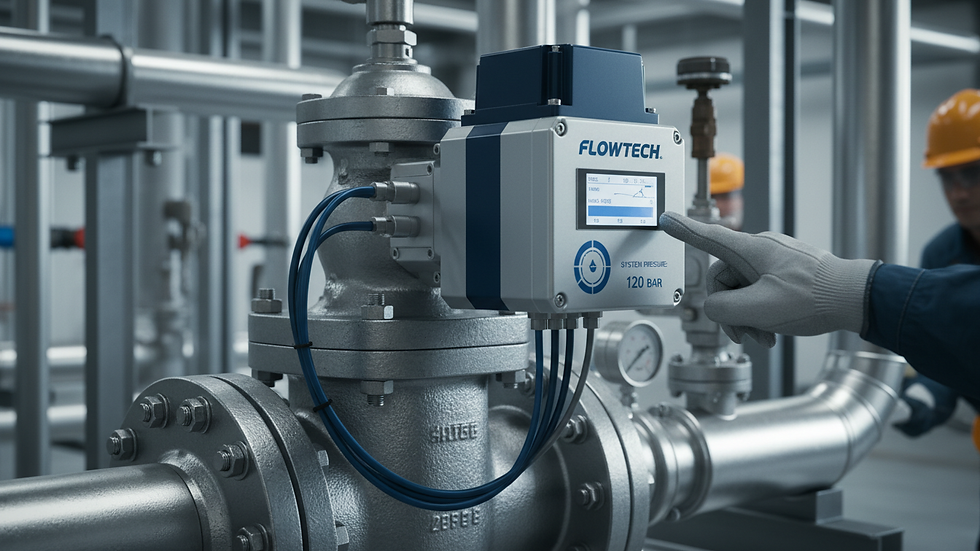
What exactly is an actuator?
An actuator is a device that converts energy into mechanical motion. In the context of valves, actuators are responsible for moving the valve to open, close, or modulate flow. There are several types of actuators, including pneumatic, hydraulic, and electric.
Electric actuators use electrical energy to produce motion, typically through a motor and gear system. This allows for precise control of valve position, which is essential in processes requiring fine adjustments. Unlike pneumatic or hydraulic actuators, electric actuators do not require compressed air or fluid, simplifying installation and maintenance.
The design of electric actuators can vary depending on the application. Some are designed for quarter-turn valves like ball or butterfly valves, while others are linear actuators used for globe or gate valves. The choice depends on the valve type and the required motion.
Key Benefits of Electric Actuators
Precision and Control
Electric actuators offer superior precision compared to pneumatic or hydraulic alternatives. They can be programmed to move valves to exact positions, allowing for better process control. This is particularly important in industries like chemical processing, where small deviations can affect product quality.
Energy Efficiency
Since electric actuators only consume power when moving, they tend to be more energy-efficient than pneumatic systems that require continuous air supply. This can lead to significant cost savings over time, especially in large-scale operations.
Low Maintenance
Electric actuators have fewer moving parts exposed to wear and tear compared to hydraulic or pneumatic systems. This translates to lower maintenance requirements and longer service life. Additionally, they do not suffer from leaks or contamination issues common in fluid-based systems.
Easy Integration and Feedback
Many electric actuators come with built-in feedback systems such as potentiometers or encoders. These provide real-time position data to control systems, enabling automated adjustments and diagnostics. This feature enhances safety and reliability in critical applications.
Environmental Considerations
Electric actuators are cleaner to operate since they do not rely on fluids that can leak and cause environmental damage. This makes them a preferred choice in environmentally sensitive areas or where strict regulations apply.

Comparing Valve Materials and Their Impact on Actuator Performance
When selecting an actuator, it’s important to consider the valve material as it affects the actuator’s performance and durability. Common valve materials include stainless steel, brass, cast iron, and various plastics.
Stainless Steel Valves: Known for corrosion resistance and strength, stainless steel valves are often paired with electric actuators in harsh environments like chemical plants. The actuator must be robust enough to handle the valve’s torque requirements.
Brass Valves: Typically used in residential or light industrial applications, brass valves are lighter and require less actuator force. Electric actuators for these valves can be smaller and more cost-effective.
Cast Iron Valves: Common in water and wastewater treatment, cast iron valves are durable but heavier. Actuators need to be sized appropriately to manage the increased torque.
Plastic Valves: Used in corrosive or low-pressure environments, plastic valves are lightweight. Electric actuators can be compact and energy-efficient in these cases.
Understanding the interaction between valve material and actuator type helps ensure optimal system performance and longevity.
Practical Tips for Choosing the Right Electric Actuator
Assess Torque Requirements: Calculate the torque needed to operate the valve under all conditions, including pressure and temperature variations.
Consider Duty Cycle: Determine how often the actuator will operate. Some electric actuators are designed for continuous use, while others are better suited for intermittent operation.
Check Environmental Ratings: Ensure the actuator has the appropriate IP rating for dust and water ingress, especially in outdoor or harsh industrial environments.
Look for Feedback Options: Choose actuators with built-in position feedback if integration with automation systems is planned.
Evaluate Power Supply: Confirm that the actuator’s voltage and power requirements match your facility’s electrical infrastructure.
Plan for Maintenance Access: Select actuators that are easy to service and have readily available spare parts.
By following these guidelines, you can select an electric actuator that meets your operational needs and budget.
Why Electric Actuators Are a Smart Investment
Investing in electric actuators can lead to long-term benefits beyond just operational efficiency. Their precision reduces process variability, improving product quality and consistency. Energy savings contribute to lower operational costs and a smaller carbon footprint.
Moreover, the ease of integration with modern control systems supports digital transformation initiatives, enabling smarter, data-driven decision-making. This can enhance safety by allowing remote operation and monitoring, reducing the need for personnel in hazardous areas.
Finally, the durability and low maintenance of electric actuators mean less downtime and fewer unexpected repairs, which is crucial in industries where uptime is directly linked to profitability.
I hope this exploration of electric actuator applications and benefits has provided you with useful insights. Whether you’re upgrading existing systems or designing new ones, considering electric actuators can be a game-changer for efficiency, control, and sustainability.
For more detailed information and expert advice on selecting the right actuators and valves, feel free to reach out or explore our comprehensive product range.


Comments