
Blog
Understanding Electric Actuators Uses and Their Applications
1 June 2026
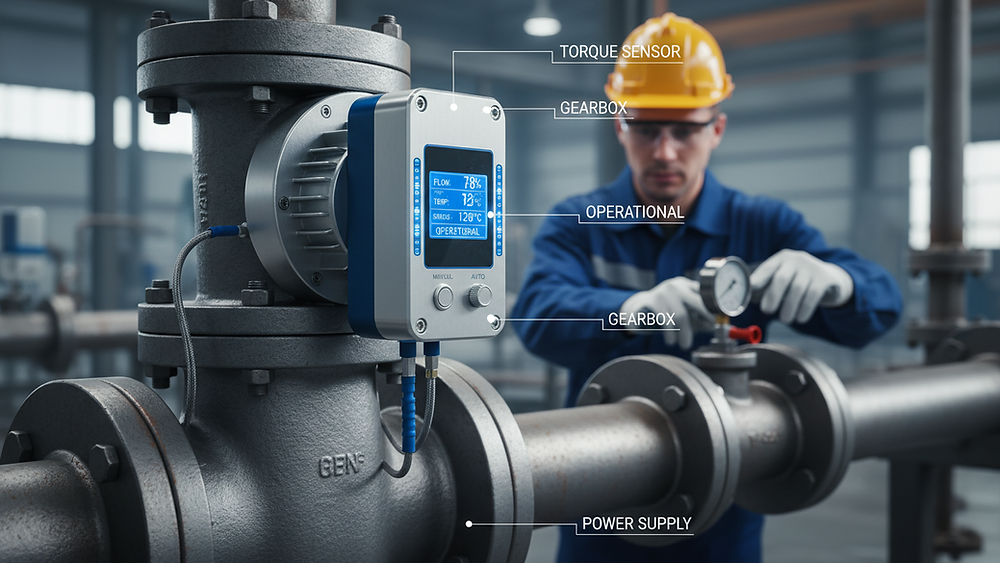
When it comes to controlling valves and other mechanical devices in industrial and residential settings, actuators play a crucial role. Over the years, technology has evolved, and electric actuators have become a popular choice for many applications. In this post, I want to share insights into what electric actuators are, their uses, and why they might be the right solution for your needs. Whether you work in oil and gas, chemical processing, water treatment, or food and beverage industries, understanding these devices can help you make informed decisions.
Exploring Electric Actuators Uses in Various Industries
Electric actuators are widely used across multiple sectors due to their precision, reliability, and ease of integration. In industries like power generation and water treatment, they automate valve operations, ensuring smooth and safe processes. For example, in water treatment plants, electric actuators control the flow of water by opening and closing valves based on sensor inputs, maintaining optimal water quality and pressure.
In the oil and gas sector, electric actuators are preferred for their ability to handle hazardous environments without the risk of leaks associated with pneumatic or hydraulic systems. They provide accurate control over valves that regulate the flow of oil and gas, which is critical for safety and efficiency.
Residential applications also benefit from electric actuators, especially in smart home systems where automated control of heating, ventilation, and air conditioning (HVAC) valves improves energy efficiency and comfort.
Some key advantages of electric actuators include:
- Precise control : They offer fine adjustments, which is essential for processes requiring exact flow rates.
- Energy efficiency : Unlike pneumatic systems, they consume power only when moving.
- Low maintenance : Fewer moving parts mean less wear and tear.
- Easy integration : Compatible with modern control systems and IoT devices.
What Exactly Is an Actuator?
An actuator is a device that converts energy into mechanical motion. In simple terms, it moves or controls a mechanism or system. Actuators can be powered by various energy sources such as electricity, hydraulics, or pneumatics.
Electric actuators specifically use electrical energy to create motion. They typically consist of an electric motor, gears, and a control system. When the motor receives an electrical signal, it rotates or moves a shaft connected to a valve or other mechanical device, causing it to open, close, or adjust.
There are different types of electric actuators, including:
- Rotary actuators : Provide rotational motion, commonly used for quarter-turn valves like ball or butterfly valves.
- Linear actuators : Produce straight-line motion, ideal for gate valves or dampers.
- Part-turn actuators : Offer partial rotation, suitable for specific valve types.
Understanding the type of actuator needed depends on the valve design and the application's requirements.
Comparing Valve Materials and Their Impact on Actuator Performance
Choosing the right valve material is just as important as selecting the correct actuator. Valve materials affect durability, corrosion resistance, and compatibility with the fluid or gas being controlled.
Common valve materials include:
- Stainless steel : Highly resistant to corrosion and suitable for harsh environments like chemical processing.
- Brass : Often used in residential and light commercial applications due to its good corrosion resistance and affordability.
- Cast iron : Durable and cost-effective, commonly found in water treatment and HVAC systems.
- PVC and other plastics : Lightweight and corrosion-resistant, ideal for non-metallic applications.
The actuator must be compatible with the valve material and the operating environment. For example, stainless steel valves paired with electric actuators are excellent for corrosive environments but may require actuators with specific sealing and protection ratings.
Additionally, the torque requirements vary with valve size and material. Heavier or larger valves need actuators with higher torque capacity. Selecting an actuator with insufficient torque can lead to premature failure or inefficient operation.
Practical Tips for Selecting and Maintaining Electric Actuators
When choosing an electric actuator, consider the following factors:
- Torque and speed requirements : Ensure the actuator can provide enough force to operate the valve smoothly.
- Power supply : Check voltage and current specifications compatible with your facility.
- Control options : Look for actuators that support your control system, whether it’s simple on/off or complex modulating control.
- Environmental conditions : Consider IP ratings for dust and water resistance, especially in outdoor or harsh industrial settings.
- Safety features : Some actuators include manual overrides or fail-safe modes for emergencies.
Maintenance is straightforward but essential for longevity:
- Regularly inspect for signs of wear or damage.
- Keep electrical connections clean and secure.
- Lubricate moving parts if recommended by the manufacturer.
- Test actuator response periodically to ensure proper function.
By following these guidelines, you can maximize the lifespan and reliability of your electric actuators.
Unexpected Facts About Electric Actuators That Might Surprise You
Here are some interesting nuggets that might not be common knowledge:
- Electric actuators can be more environmentally friendly than pneumatic or hydraulic systems because they don’t rely on compressed air or fluids, which can leak and cause pollution.
- They are quieter in operation, which is a significant advantage in residential or office environments.
- Smart actuators with built-in sensors and communication capabilities are becoming standard, enabling predictive maintenance and remote monitoring.
- In some cases, electric actuators can be retrofitted onto existing manual valves, offering a cost-effective upgrade path.
- The choice between electric, pneumatic, and hydraulic actuators often sparks debate among engineers, with electric actuators gaining ground due to their precision and ease of use.
Understanding these points can help you appreciate the value electric actuators bring beyond just moving a valve.
Moving Forward with Confidence in Your Valve and Actuator Choices
Selecting the right actuator and valve combination is a critical decision that impacts operational efficiency, safety, and maintenance costs. By understanding the basics of electric actuators, their uses, and how they interact with different valve materials, you can make choices that align with your specific application needs.
If you want to explore more about electric actuators and how they can enhance your systems, consider consulting with experts who can provide tailored advice and high-quality products. Investing in the right technology today will pay dividends in reliability and performance tomorrow.
Need help specifying valves or actuators? Contact Valves4You Ltd with your project details and the team can advise on suitable product options.