Discover the Benefits of Customized Valve Solutions
- Mark Richardson
- Aug 26, 2025
- 4 min read
When it comes to industrial and residential applications, valves play a crucial role in controlling the flow of liquids and gases. However, not all valves are created equal. Off-the-shelf options may work for some, but many projects demand more precision, durability, and efficiency. That’s where tailored valve solutions come in. By customizing valves to meet specific requirements, you can achieve better performance, longer service life, and cost savings.
In this post, I’ll walk you through the key benefits of tailored valve solutions, explore material choices, and share practical insights to help you make informed decisions for your next project.
Why Choose Tailored Valve Solutions?
Tailored valve solutions are designed to fit the unique needs of your system rather than relying on generic models. This approach offers several advantages:
Optimised Performance: Custom valves can be engineered to handle specific pressures, temperatures, and flow rates, ensuring smooth operation.
Enhanced Reliability: By selecting the right materials and design features, you reduce the risk of leaks, corrosion, and mechanical failure.
Cost Efficiency: Although the initial investment might be higher, tailored valves often reduce maintenance costs and downtime.
Compliance and Safety: Custom valves can meet industry standards and regulations more precisely, which is critical in sectors like oil and gas or chemical processing.
For example, in water treatment plants, valves must resist aggressive chemicals and fluctuating pressures. A tailored valve solution can incorporate corrosion-resistant materials and seals designed for those exact conditions, extending valve life and reducing replacement frequency.

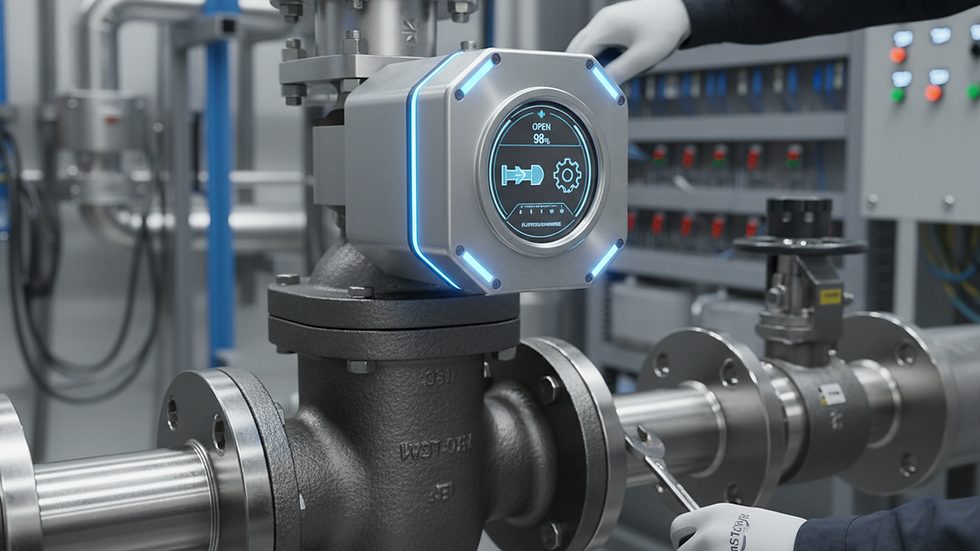
Custom valves designed for harsh chemical environments.
Material Matters: Choosing the Right Valve Components
One of the most important aspects of tailored valve solutions is material selection. The choice of materials affects durability, compatibility, and cost. Here’s a quick comparison of common valve materials and their typical uses:
| Material | Advantages | Typical Applications |
|----------------|-----------------------------------|--------------------------------------|
| Stainless Steel | Excellent corrosion resistance, strong | Food and beverage, chemical processing |
| Brass | Good machinability, cost-effective | Residential plumbing, water systems |
| Carbon Steel | High strength, suitable for high pressure | Oil and gas, power generation |
| PVC/Plastic | Lightweight, corrosion-resistant | Water treatment, low-pressure systems |
| Bronze | Good corrosion resistance, durable | Marine applications, potable water |
For instance, stainless steel valves are often preferred in the food and beverage industry because they resist contamination and are easy to clean. On the other hand, carbon steel valves are better suited for high-pressure oil and gas pipelines due to their strength.
When you opt for tailored valve solutions, you can specify the exact grade and treatment of materials to match your operational environment. This level of customization ensures valves perform optimally and last longer.

Material selection tailored to specific industry needs.
The Role of Valve Design in Efficiency and Maintenance
Valve design is more than just shape and size. It impacts flow control, ease of maintenance, and overall system efficiency. Tailored valve solutions allow you to choose from various designs or even create new ones to solve unique challenges.
Some popular valve designs include:
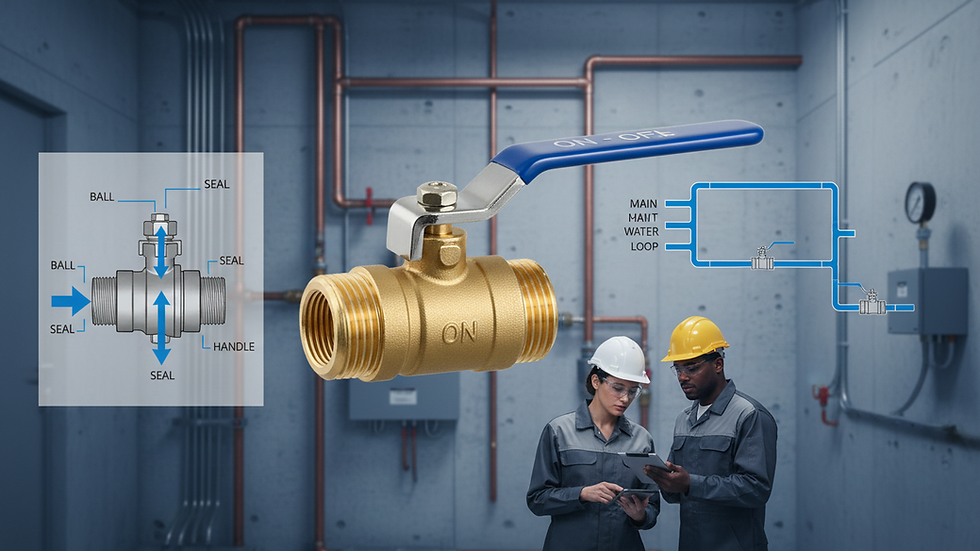
Ball Valves: Provide tight shut-off and quick operation. Ideal for on/off control.
Gate Valves: Suitable for full flow or no flow situations, often used in pipelines.
Butterfly Valves: Lightweight and compact, good for throttling and isolation.
Globe Valves: Offer precise flow control, commonly used in process industries.
By customizing the valve design, you can improve flow characteristics, reduce pressure drops, and simplify maintenance procedures. For example, a valve with a modular design can allow quick replacement of seals or seats without removing the entire valve from the pipeline, saving time and costs.
Additionally, actuator options can be tailored to your needs, whether manual, electric, pneumatic, or hydraulic, providing flexibility in automation and control.
Unexpected Facts About Valves That Might Surprise You
Valves might seem straightforward, but the industry is full of interesting and sometimes surprising facts:
Valve Sizes Can Be Huge: Some industrial valves can be as large as a small car, especially those used in power plants or water dams.
Ancient Origins: The earliest known valves date back to Roman times, where bronze valves controlled water flow in aqueducts.
Material Innovations: Modern valves sometimes use advanced composites and ceramics to withstand extreme conditions.
Energy Savings: Properly designed valves can reduce energy consumption by improving flow efficiency, which is a big deal in large-scale operations.
Customization Can Be Fast: Thanks to advances in manufacturing like 3D printing, some custom valves can be produced much faster than before.
These facts highlight how valves are not just simple components but critical pieces of engineering that evolve with technology and industry demands.

Massive valves designed for high-capacity power generation systems.
How to Get Started with Tailored Valve Solutions
If you’re considering tailored valve solutions for your project, here are some practical steps to guide you:
Assess Your Needs: Understand the operating conditions such as pressure, temperature, fluid type, and flow requirements.
Consult Experts: Work with valve specialists who can recommend materials, designs, and features based on your application.
Request Samples or Prototypes: Testing a custom valve in your system can prevent costly mistakes.
Consider Long-Term Costs: Look beyond initial purchase price to maintenance, downtime, and replacement expenses.
Ensure Compliance: Verify that the valve meets relevant industry standards and certifications.
By following these steps, you can ensure your investment in tailored valve solutions delivers maximum value and reliability.
For those interested in exploring options, I recommend checking out customized valve solutions from trusted suppliers who offer expert guidance and a wide range of products.
Embracing Tailored Valve Solutions for Future Success
In today’s competitive and demanding industrial landscape, relying on generic valves can limit your system’s potential. Tailored valve solutions offer a smarter, more efficient way to meet your specific challenges. From material selection to design innovation, these solutions provide durability, performance, and cost savings.
Whether you’re managing a chemical plant, water treatment facility, or residential system, investing in custom valves can improve operational efficiency and reduce headaches down the line. As technology advances, the possibilities for customization continue to grow, making now the perfect time to explore tailored valve options.
By choosing the right partner and understanding your needs, you can unlock the full benefits of tailored valve solutions and keep your operations running smoothly for years to come.

Comments