Understanding Electric Actuator Technology for Automation
- Mark Richardson
- Jan 12
- 4 min read
When it comes to automation in industrial and residential settings, one component quietly powers countless processes behind the scenes: the actuator. Specifically, electric actuators have become a cornerstone in modern automation systems. Today, I want to share insights into electric actuator technology, exploring how it works, why it’s preferred in many applications, and what you should consider when selecting one for your projects.
What Are Electric Actuators and How Do They Work?
Electric actuators are devices that convert electrical energy into mechanical motion. Unlike pneumatic or hydraulic actuators, which rely on compressed air or fluid pressure, electric actuators use electric motors to create precise movement. This makes them ideal for applications requiring accuracy, repeatability, and control.
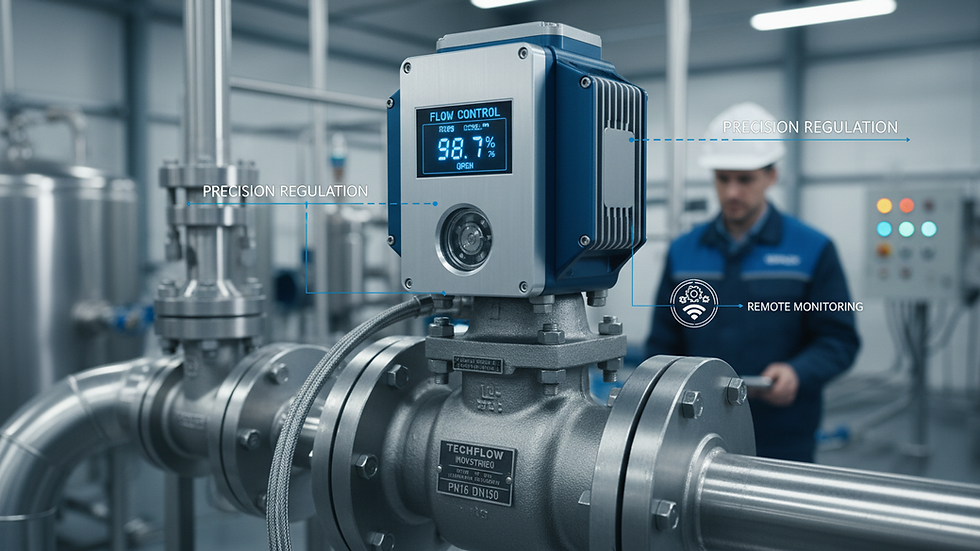
At their core, electric actuators consist of a motor, a gear train, and a control system. The motor generates rotational force, which the gears convert into linear or rotary motion to operate valves, dampers, or other mechanical devices. The control system allows for fine-tuning of position, speed, and torque, often integrating with automation networks for remote operation.
For example, in a water treatment plant, electric actuators can precisely control valve positions to regulate flow rates, ensuring optimal treatment processes. Their ability to provide feedback on position and status also enhances system monitoring and maintenance.

Advantages of Electric Actuator Technology in Automation
Electric actuator technology offers several benefits that make it a preferred choice across industries such as oil and gas, chemical processing, and food and beverage manufacturing. Here are some key advantages:
Precision and Control: Electric actuators provide accurate positioning, which is critical for processes requiring exact flow or pressure control.
Energy Efficiency: They consume power only when moving, unlike pneumatic systems that require continuous compressed air supply.
Low Maintenance: With fewer moving parts and no need for fluid lines, electric actuators typically require less upkeep.
Integration Friendly: They easily connect with digital control systems, enabling automation and remote monitoring.
Clean Operation: Since they don’t use fluids, there’s no risk of leaks, making them suitable for hygienic environments like food processing.
One interesting fact is that electric actuators can be designed with different torque ratings and speeds, allowing customization for specific valve sizes and materials. For instance, stainless steel valves in corrosive environments might need actuators with higher torque to overcome resistance, while plastic valves in water systems may require less force.
Comparing Valve Materials and Their Impact on Actuator Selection
Choosing the right valve material is just as important as selecting the actuator. The material affects durability, chemical compatibility, and the torque required to operate the valve. Here’s a quick comparison of common valve materials and how they influence actuator choice:
Stainless Steel: Highly durable and corrosion-resistant, ideal for harsh chemical environments. Requires actuators with higher torque due to heavier weight.
Brass: Good for water and non-corrosive fluids, lighter than steel, so actuators can be smaller and more energy-efficient.
PVC and Other Plastics: Lightweight and corrosion-resistant, often used in water treatment. Lower torque needed, but actuator materials must be compatible with outdoor or UV exposure.
Cast Iron: Strong and cost-effective, but heavier and prone to corrosion if not coated. Requires robust actuators and regular maintenance.
Understanding these material differences helps in specifying the right actuator to ensure reliable operation and longevity. For example, pairing a stainless steel valve with an undersized actuator can lead to premature wear or failure.

Practical Tips for Selecting Electric Actuators
Selecting the right electric actuator involves more than just matching torque and speed. Here are some practical tips to guide your decision:
Assess the Application Requirements
Consider the valve size, type, and operating environment. Is the valve in a hazardous area? Does it need to operate in extreme temperatures?
Check Torque and Speed Ratings
Ensure the actuator can provide sufficient torque to move the valve under all conditions, including startup and emergency shutdown.
Look for Feedback and Control Options
Position feedback, limit switches, and communication protocols (like Modbus or Profibus) enhance automation capabilities.
Consider Power Supply and Wiring
Verify voltage compatibility and ease of installation. Some actuators support battery backup or solar power for remote locations.
Evaluate Environmental Protection
IP ratings indicate resistance to dust and water ingress. For outdoor or washdown environments, choose actuators with high IP ratings.
Factor in Maintenance and Serviceability
Select actuators with accessible components and available spare parts to minimize downtime.
By following these guidelines, you can avoid common pitfalls such as undersized actuators or incompatible control systems, ensuring smooth and efficient operation.
Why Choose Electric Actuators for Your Automation Needs?
In my experience, the choice of actuator can make or break an automation project. Electric actuators stand out for their versatility and reliability. Whether you’re automating valves in a chemical plant or controlling dampers in a commercial building, they offer a balance of precision, durability, and ease of integration.
At Valves 4 You, we understand the nuances of actuator technology and provide expert guidance to help you select the perfect solution. Our range includes actuators suited for various valve materials and industrial conditions, backed by excellent service and support.
If you’re looking to upgrade your automation systems or specify new equipment, consider electric actuators as a smart investment that pays off in performance and reduced operational costs.
Exploring Future Trends in Electric Actuator Technology
The world of electric actuators is evolving rapidly, driven by advances in digitalisation and sustainability. Here are some trends to watch:
Smart Actuators: Integration with IoT platforms allows real-time monitoring, predictive maintenance, and remote diagnostics.
Energy Harvesting: New designs aim to reduce power consumption further by harvesting energy from the environment.
Compact and Lightweight Designs: Innovations in materials and engineering are making actuators smaller without sacrificing torque.
Enhanced Safety Features: Fail-safe modes and improved feedback systems increase operational safety in critical applications.
Staying informed about these developments can help you future-proof your automation investments and maintain a competitive edge.
I hope this deep dive into electric actuator technology has provided you with useful insights and practical advice. Whether you’re specifying equipment for a new project or upgrading existing systems, understanding the interplay between actuators, valve materials, and application requirements is key to success. If you want to explore our range or need expert advice, don’t hesitate to reach out. Together, we can power your automation with confidence and precision.


Comments