Understanding Electric Actuator Technology for Automation
- Mark Richardson
- Jan 12
- 4 min read
When it comes to automation in industrial and residential settings, one component quietly powers countless operations behind the scenes: the actuator. Specifically, electric actuators have become a cornerstone in modern automation systems. Today, I want to take you on a journey through the world of electric actuator technology, sharing insights that can help you make informed decisions whether you’re specifying equipment for a chemical plant, water treatment facility, or even a food processing line.
Electric actuators are fascinating devices that convert electrical energy into mechanical motion. This motion is then used to control valves, dampers, or other mechanical devices. Their precision, reliability, and ease of integration make them a preferred choice across many sectors. Let’s dive deeper into what makes them tick and why they might be the right fit for your next project.
What Are Electric Actuators and How Do They Work?
At their core, electric actuators are motor-driven devices designed to move or control a mechanism or system. Unlike pneumatic or hydraulic actuators, which rely on compressed air or fluid pressure, electric actuators use an electric motor to generate torque and movement.
Here’s a simple breakdown of their operation:
Electric Motor: Converts electrical energy into rotational motion.
Gearbox: Reduces motor speed and increases torque to suit the application.
Output Shaft: Connects to the valve or device to be controlled.
Control System: Receives signals and commands the actuator to move to a specific position.
One of the biggest advantages of electric actuators is their ability to provide precise positioning. This is crucial in processes where exact valve control can impact product quality or safety.
For example, in a water treatment plant, an electric actuator can adjust valve positions to regulate flow rates with high accuracy, ensuring optimal chemical dosing and treatment efficiency.

Exploring Electric Actuator Technology: Materials and Design Considerations
Understanding the materials and design choices behind electric actuators can help you select the right product for your application. Actuators must withstand various environmental conditions, from corrosive chemicals to extreme temperatures.
Common Materials Used in Electric Actuators
Aluminium: Lightweight and corrosion-resistant, aluminium housings are common in many electric actuators. They offer a good balance of strength and weight, making installation easier.
Stainless Steel: For harsh environments, stainless steel actuators provide superior corrosion resistance. They are ideal for chemical processing or offshore applications.
Plastic Composites: Some actuators use high-strength plastics or composites for lightweight and cost-effective solutions, especially in residential or light industrial settings.
Sealing and Protection
Actuators often come with IP (Ingress Protection) ratings indicating their resistance to dust and water. For outdoor or washdown environments, look for actuators with IP67 or higher to ensure durability.
Torque and Speed
Selecting the right torque and speed is essential. Too little torque means the actuator won’t fully operate the valve, while too much can cause damage or waste energy. Speed affects how quickly the valve moves, which can be critical in emergency shutdowns or fast process adjustments.
Control Options
Modern electric actuators often feature smart controls, including:
Position feedback: Provides real-time valve position data.
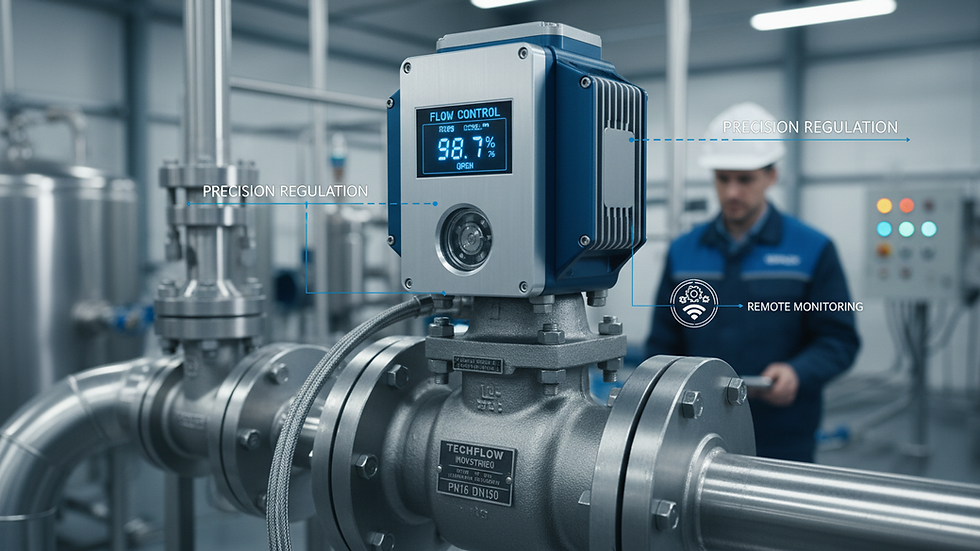
Remote operation: Allows control from a central system.
Programmable logic: Enables custom movement profiles.
These features enhance automation capabilities and improve process monitoring.
Comparing Valve Materials and Their Impact on Actuator Performance
While actuators are vital, the valves they operate are equally important. The choice of valve material can influence actuator selection and overall system performance.
Common Valve Materials
Carbon Steel: Strong and cost-effective, but prone to corrosion without protective coatings.
Stainless Steel: Offers excellent corrosion resistance and durability.
Brass and Bronze: Often used in residential or light industrial applications.
PVC and Other Plastics: Lightweight and corrosion-resistant, suitable for low-pressure systems.
Why Valve Material Matters for Actuators
The valve’s material affects its weight, torque requirements, and operating environment. For instance:
A heavy stainless steel valve requires an actuator with higher torque.
A plastic valve in a corrosive environment might allow for a lighter actuator.
Temperature extremes can affect both valve and actuator materials, so compatibility is key.
When specifying actuators, always consider the valve’s material and operating conditions to ensure reliable performance.
Practical Tips for Selecting and Maintaining Electric Actuators
Choosing the right electric actuator is more than just matching torque and speed. Here are some practical tips to guide your selection and maintenance:
Assess Your Application Needs
Understand the valve type, size, and operating environment. Consider factors like temperature, humidity, and exposure to chemicals.
Check Compatibility
Ensure the actuator’s mounting and shaft size match the valve. Many manufacturers provide mounting kits for standard valves.
Consider Control Requirements
Decide if you need simple open/close control or precise positioning with feedback.
Look for Energy Efficiency
Electric actuators consume power only when moving, unlike pneumatic systems that require continuous air supply.
Plan for Maintenance
Regularly inspect actuators for wear, lubrication needs, and electrical connections. Many actuators have self-diagnostic features to alert you to issues.
Choose Trusted Brands and Suppliers
Working with reputable providers ensures access to quality products and expert support.
The Future of Electric Actuator Technology in Automation
The automation landscape is evolving rapidly, and electric actuator technology is keeping pace. Innovations such as IoT integration, predictive maintenance, and enhanced control algorithms are transforming how actuators operate and are managed.
For example, smart actuators can now communicate with central control systems, providing real-time data on valve position, torque load, and operational status. This data helps engineers predict failures before they happen, reducing downtime and maintenance costs.
Moreover, advances in materials science are leading to lighter, more durable actuators that can operate in even more challenging environments.
As automation demands grow, electric actuators will continue to play a pivotal role in delivering precise, reliable, and efficient control.
I hope this overview has shed light on the fascinating world of electric actuators and their critical role in automation. Whether you’re specifying equipment for a new project or upgrading existing systems, understanding these devices can help you make smarter choices that improve performance and reliability.
If you want to explore our range of actuators and accessories, feel free to reach out. We’re here to provide expert guidance and help you find the perfect solution for your needs.


Comments