Understanding Electric Actuator Uses and Their Applications
- Mark Richardson
- Mar 9
- 4 min read
When it comes to automating valve operations in industrial and residential settings, understanding the role of electric actuators is essential. These devices have revolutionised how we control valves, offering precision, reliability, and efficiency. Whether you are involved in oil and gas, chemical processing, water treatment, power generation, or food and beverage industries, knowing the ins and outs of electric actuators can help you make informed decisions for your projects.
Electric actuators are devices that convert electrical energy into mechanical motion to operate valves or other equipment. They are favoured for their accuracy, ease of integration, and ability to provide remote control. In this post, I will walk you through the basics of electric actuators, their key applications, material considerations, and some practical tips to help you choose the right actuator for your needs.
What Are Electric Actuators and How Do They Work?
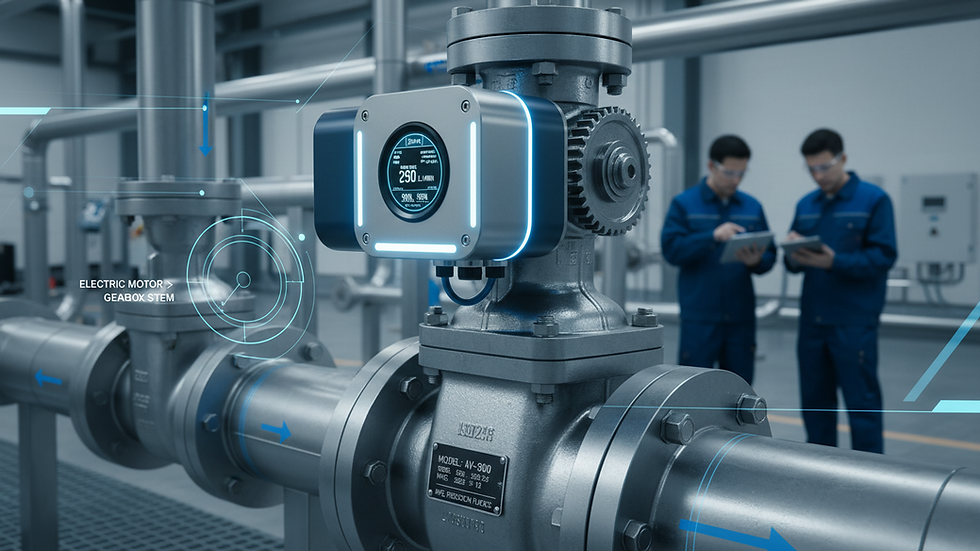
Electric actuators use an electric motor to generate torque, which then moves a valve stem or shaft. This movement can be rotary (turning a valve) or linear (pushing or pulling a valve stem). The motor is typically powered by AC or DC electricity, and the actuator includes gears and sensors to control the position and speed of the valve.
One of the biggest advantages of electric actuators is their ability to provide precise control. Unlike pneumatic or hydraulic actuators, electric actuators can be programmed for exact positioning, making them ideal for applications where flow control needs to be finely tuned.
Key Components of Electric Actuators:
Electric motor: The heart of the actuator, providing the mechanical force.
Gearbox: Reduces motor speed and increases torque.
Position sensor: Monitors valve position for feedback and control.
Control electronics: Interfaces with control systems for automation.
Housing: Protects internal components from environmental factors.
Electric Actuator Uses Across Industries
Electric actuators are incredibly versatile and find applications in many sectors. Here are some of the most common uses:
1. Oil and Gas Industry
In oil and gas, safety and precision are paramount. Electric actuators control valves that regulate the flow of crude oil, natural gas, and refined products. Their ability to provide remote operation and feedback helps operators manage pipelines and processing plants efficiently.
2. Chemical Processing
Chemical plants often handle corrosive and hazardous materials. Electric actuators paired with valves made from corrosion-resistant materials like stainless steel or special alloys ensure safe and reliable operation. Precise control is critical to maintain process conditions and avoid dangerous reactions.
3. Water Treatment and Supply
Water treatment facilities use electric actuators to automate valves controlling water flow, filtration, and chemical dosing. Their reliability and low maintenance make them ideal for continuous operation in municipal and industrial water systems.
4. Power Generation
In power plants, electric actuators manage steam, cooling water, and fuel supply valves. Their precise control helps optimise plant efficiency and safety, especially in combined cycle and nuclear power plants.
5. Food and Beverage Industry
Hygiene and precision are key in food processing. Electric actuators control valves that regulate ingredient flow, cleaning cycles, and packaging lines. Materials like food-grade stainless steel are often used to meet strict sanitary standards.
Material Considerations for Valves and Actuators
Choosing the right valve material is as important as selecting the actuator. Common materials include:
Stainless Steel: Excellent corrosion resistance, widely used in chemical and food industries.
Brass: Good for water and non-corrosive fluids, often used in residential and light commercial applications.
PVC and Other Plastics: Lightweight and corrosion-resistant, suitable for water treatment and some chemical applications.
Carbon Steel: Strong and cost-effective, used in oil and gas but requires protective coatings.
Matching the actuator with the valve material ensures longevity and performance. For example, pairing an electric actuator with a stainless steel valve in a chemical plant reduces the risk of corrosion and failure.
Advantages of Electric Actuators Over Other Types
You might wonder why electric actuators are often preferred over pneumatic or hydraulic options. Here are some advantages:
Precision: Electric actuators offer fine control over valve position.
Energy Efficiency: They consume power only when moving, unlike pneumatic systems that require continuous air supply.
Ease of Integration: Electric actuators can be easily connected to digital control systems and IoT platforms.
Low Maintenance: Fewer moving parts and no need for compressors or hydraulic fluids.
Safety: No risk of leaks from hydraulic fluids or compressed air.
However, electric actuators may not be suitable for explosive environments unless properly certified, and they can be slower than pneumatic actuators in some cases.
Practical Tips for Selecting and Using Electric Actuators
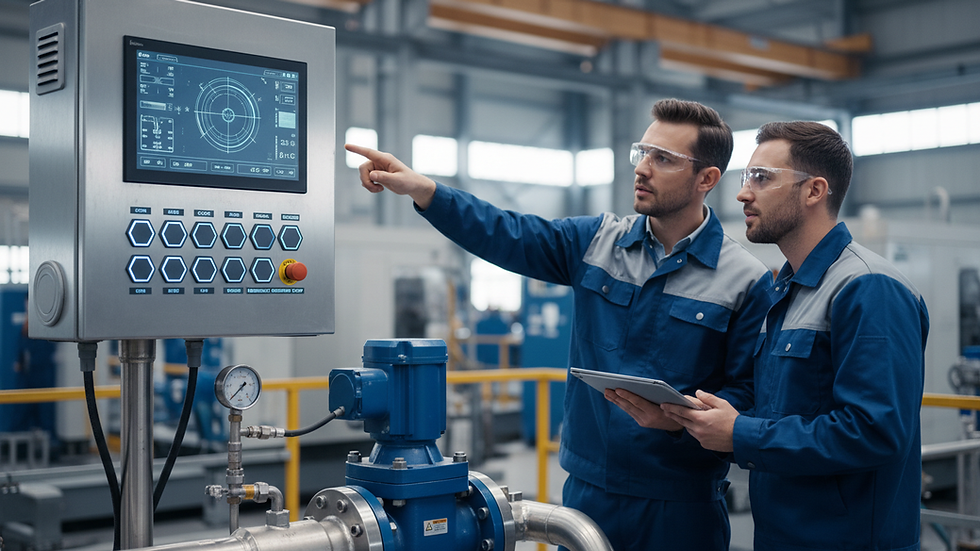
When choosing an electric actuator, consider the following:
Torque Requirements: Calculate the torque needed to operate the valve under all conditions, including pressure and temperature.
Power Supply: Ensure compatibility with available electrical power (AC or DC, voltage, frequency).
Environmental Conditions: Look for IP ratings and certifications for dust, water, and explosion resistance.
Control Options: Decide if you need simple on/off control or modulating control with feedback.
Material Compatibility: Match actuator housing and valve materials to the application environment.
Installation Space: Check dimensions and mounting options to fit your system.
Maintenance and Support: Choose actuators with accessible parts and good manufacturer support.
Regular maintenance, such as lubrication and inspection of electrical connections, will extend the life of your actuator.
Future Trends in Electric Actuator Technology
The field of electric actuators is evolving rapidly. Some exciting trends include:
Smart Actuators: Integration with sensors and IoT for predictive maintenance and remote diagnostics.
Energy Harvesting: Actuators that can generate power from their own movement or environmental sources.
Advanced Materials: Use of composites and coatings to improve durability and reduce weight.
Improved Control Algorithms: Enhanced precision and faster response times through AI and machine learning.
These innovations will make electric actuators even more reliable and efficient, supporting the growing demand for automation in various industries.
Enhancing Your Systems with Electric Actuators
Understanding the capabilities and applications of electric actuators can significantly improve your system design and operation. By selecting the right actuator and valve materials, you ensure safety, efficiency, and longevity. Whether you are upgrading existing equipment or designing new installations, investing time in actuator selection pays off in reduced downtime and operational costs.
If you want to explore more about electric actuators, their types, and how they can fit your specific needs, feel free to reach out to experts who can guide you through the process.
With the right knowledge and tools, you can harness the full potential of electric actuators to optimise your industrial or residential systems today.


Comments