Electric Valve Control Systems and Their Benefits
- Mark Richardson
- Apr 20
- 4 min read
When it comes to managing fluid flow in industrial and residential settings, the choice of valve control systems can make a significant difference. Over the years, technology has evolved, and one solution that stands out for its precision, reliability, and efficiency is the electric valve control system. In this post, I want to share insights about these systems, focusing on their benefits, applications, and why they are becoming the preferred choice across various sectors.
Understanding Electric Valve Control Systems
Electric valve control systems use electric power to operate valves, allowing precise control over the flow of liquids or gases. Unlike manual valves, these systems automate the opening and closing process, which can be critical in complex industrial environments where accuracy and timing are essential.
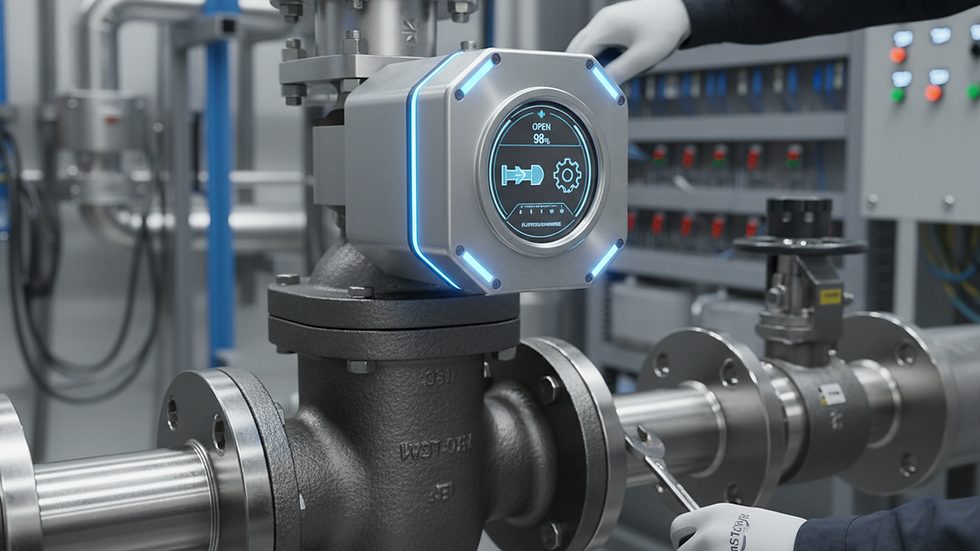
These systems typically consist of an electric actuator mounted on a valve body. The actuator receives signals from a control system and adjusts the valve position accordingly. This setup enables remote operation, integration with automated processes, and improved safety by reducing the need for manual intervention.
Key Components of Electric Valve Control Systems
Electric Actuator: Converts electrical energy into mechanical torque to move the valve.
Valve Body: The physical valve that controls flow.
Control Unit: Sends commands to the actuator based on system requirements.
Feedback Mechanism: Provides position feedback to ensure accurate valve positioning.
This combination allows for seamless integration into modern industrial control systems, enhancing operational efficiency.
Advantages of Electric Valve Control Systems
The benefits of electric valve control systems are numerous, making them a smart investment for many industries. Here are some of the most compelling advantages:
Precision and Accuracy
Electric valve control systems offer precise control over valve positioning. This accuracy is crucial in processes where flow rates must be tightly regulated, such as chemical dosing or water treatment. The ability to fine-tune valve positions reduces waste and improves product quality.
Energy Efficiency
Compared to pneumatic or hydraulic actuators, electric systems often consume less energy, especially when operating valves that require intermittent movement. They only draw power when adjusting the valve, unlike some alternatives that require continuous pressure.
Low Maintenance and Longevity
Electric actuators generally require less maintenance than pneumatic or hydraulic systems. There are no fluids to leak or compressors to maintain, which reduces downtime and operational costs. Additionally, electric systems tend to have a longer service life when properly installed and maintained.
Safety and Remote Operation
In hazardous or hard-to-reach environments, electric valve control systems allow operators to control valves remotely, reducing exposure to dangerous conditions. Integration with automated control systems also enables quick responses to emergency shutdowns or process adjustments.
Environmental Benefits
Electric valve control systems eliminate the need for compressed air or hydraulic fluids, which can have environmental impacts if leaked. This makes them a cleaner option, aligning with sustainability goals in many industries.
Comparing Valve Materials and Their Impact on Performance
Choosing the right valve material is just as important as selecting the control system. The material affects durability, compatibility with fluids, and overall system performance. Here’s a quick comparison of common valve materials used with electric valve control systems:
| Material | Advantages | Typical Applications | Considerations |
|----------------|-----------------------------------|-------------------------------------|-----------------------------------|
| Stainless Steel | Corrosion-resistant, durable | Chemical processing, food & beverage | Higher cost, excellent longevity |
| Brass | Good corrosion resistance, cost-effective | Water treatment, residential plumbing | Not suitable for highly corrosive fluids |
| PVC (Polyvinyl Chloride) | Lightweight, corrosion-resistant | Water treatment, irrigation | Limited temperature range |
| Carbon Steel | Strong, cost-effective | Oil and gas, power generation | Requires protective coatings |
Selecting the right valve material ensures compatibility with the fluid and operating conditions, which maximises the lifespan and reliability of the electric valve control system.
Practical Tips for Selecting and Installing Electric Valve Control Systems
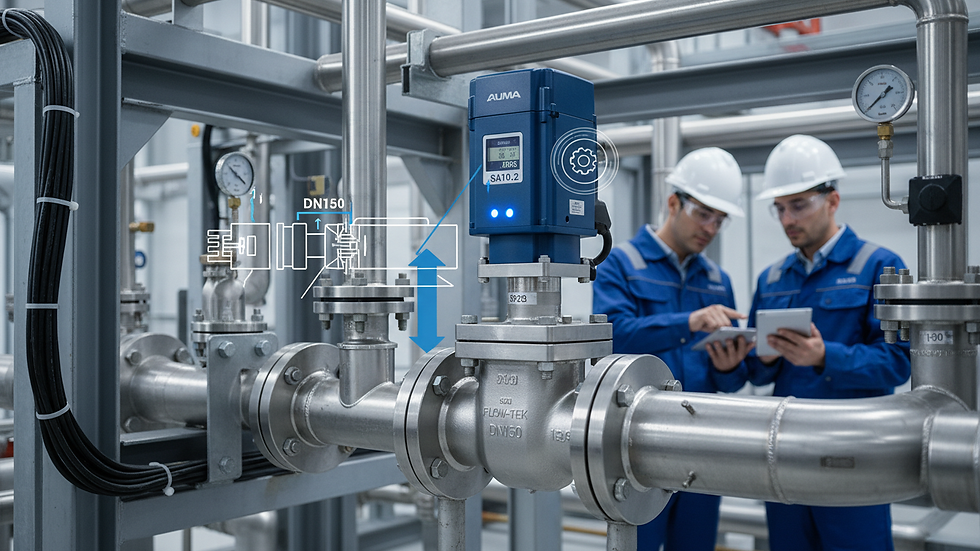
When considering electric valve control systems, there are several practical factors to keep in mind to ensure optimal performance and longevity:
1. Match the Actuator Torque to Valve Requirements
Ensure the actuator provides sufficient torque to operate the valve under all expected conditions, including pressure and temperature variations. Undersized actuators can lead to incomplete valve operation and system inefficiencies.
2. Consider Environmental Conditions
If the valve is installed outdoors or in harsh environments, select actuators with appropriate ingress protection (IP) ratings to prevent damage from dust, moisture, or chemicals.
3. Integration with Control Systems
Verify compatibility with existing control systems, including communication protocols like Modbus, Profibus, or Ethernet/IP. This ensures smooth integration and remote monitoring capabilities.
4. Maintenance Accessibility
Plan installations so that actuators and valves are accessible for routine inspections and maintenance without disrupting operations.
5. Safety Features
Look for actuators with built-in safety features such as manual override, torque limiters, and position feedback to enhance operational safety.
Why Electric Valve Actuators Are Gaining Popularity
In my experience working with various valve technologies, I’ve noticed a clear trend towards electric valve actuators. Their combination of precision, reliability, and ease of integration makes them ideal for modern industrial processes. The ability to automate valve control reduces human error and increases process efficiency.
Moreover, as industries push towards digitalisation and smart manufacturing, electric valve control systems fit perfectly into the vision of connected, automated plants. They provide valuable data on valve status and performance, enabling predictive maintenance and reducing unplanned downtime.
If you want to explore more about electric valve actuators, you’ll find a range of options tailored to different applications and budgets.
Final Thoughts on Electric Valve Control Systems
Choosing the right valve control system is a critical decision that impacts operational efficiency, safety, and cost-effectiveness. Electric valve control systems offer a compelling mix of benefits that make them suitable for a wide range of applications, from water treatment plants to oil and gas facilities.
By understanding the advantages, selecting appropriate valve materials, and following best practices for installation and maintenance, you can ensure your system delivers reliable performance for years to come.
If you’re looking to upgrade or specify valve control systems, consider electric options as a future-proof solution that aligns with modern industrial demands and sustainability goals.


Comments