Understanding Electric Actuator Systems for Efficiency
- Mark Richardson
- Mar 30
- 4 min read
When it comes to improving operational efficiency in industrial and residential settings, understanding the role of electric actuator systems is crucial. These devices are the unsung heroes behind the smooth operation of valves, gates, and other mechanical components that control fluid flow, pressure, and temperature. Whether you’re working in oil and gas, chemical processing, water treatment, or food and beverage industries, knowing how electric actuators work and how to select the right system can save time, reduce costs, and enhance safety.
Electric actuator systems have evolved significantly over the years, offering precise control, energy efficiency, and reliability. In this post, I’ll walk you through the essentials of electric actuator systems, share practical insights on valve materials, and highlight some unexpected facts that might just change how you think about automation.
What Are Electric Actuator Systems?
Electric actuator systems are devices that convert electrical energy into mechanical motion. They are primarily used to automate the operation of valves and other equipment that require precise positioning. Unlike manual operation, electric actuators provide consistent, repeatable control, which is essential for maintaining process stability and safety.
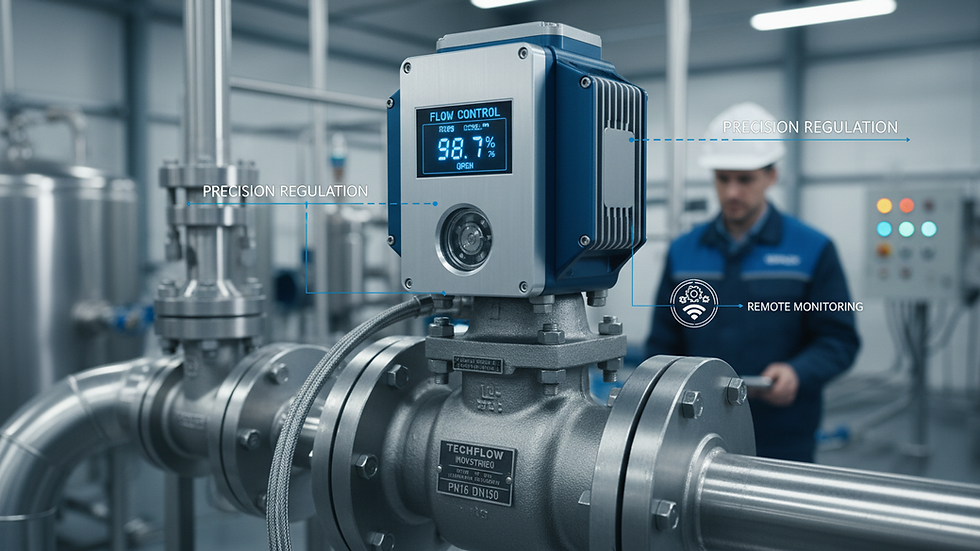
These systems typically consist of an electric motor, gearing, and a control unit. The motor drives the actuator shaft, which in turn moves the valve stem or other mechanical parts. The control unit receives signals from a central control system or local sensors and adjusts the actuator’s position accordingly.
Key Benefits of Electric Actuator Systems
Precision and repeatability: Electric actuators can position valves with high accuracy, often within fractions of a degree.
Energy efficiency: They consume power only when moving, unlike pneumatic or hydraulic systems that require continuous pressure.
Low maintenance: Fewer moving parts and no need for compressed air or hydraulic fluid reduce maintenance demands.
Integration: Easy to integrate with digital control systems and IoT platforms for remote monitoring and diagnostics.
Choosing the Right Valve Materials for Your Actuator System
Selecting the appropriate valve material is just as important as choosing the right actuator. The material affects durability, corrosion resistance, and compatibility with the fluids being controlled. Here’s a quick comparison of common valve materials and their typical applications:
| Material | Advantages | Typical Applications |
|----------------|----------------------------------|-------------------------------------------|
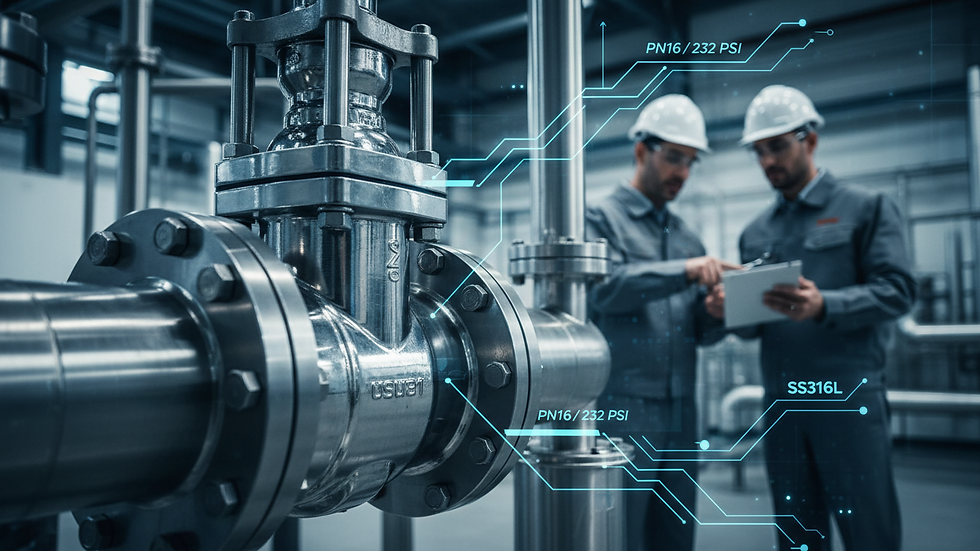
| Stainless Steel | Excellent corrosion resistance, durable | Chemical processing, food and beverage, water treatment |
| Carbon Steel | Strong, cost-effective | Oil and gas, power generation |
| Brass | Good corrosion resistance, easy to machine | Residential plumbing, low-pressure systems |
| PVC/Plastic | Lightweight, corrosion-resistant | Water treatment, chemical handling |
| Ductile Iron | High strength, impact-resistant | Heavy-duty industrial applications |
When pairing valve materials with electric actuator systems, consider the operating environment. For example, stainless steel valves combined with electric actuators are ideal for corrosive environments like chemical plants. On the other hand, carbon steel valves might be better suited for high-pressure oil and gas pipelines.
Unexpected Fact: Material Impact on Actuator Life
Did you know that the valve material can indirectly affect the lifespan of your electric actuator? Heavier valve materials like ductile iron require actuators with higher torque ratings, which can lead to increased wear and energy consumption. Choosing lighter materials where possible can extend actuator life and reduce operational costs.
How Electric Actuator Systems Improve Efficiency
Efficiency in industrial processes is about more than just speed. It’s about precision, reliability, and minimizing downtime. Electric actuator systems contribute to efficiency in several ways:
1. Precise Control Reduces Waste
Accurate valve positioning means better control over flow rates and pressures. This precision reduces waste of raw materials and energy, which is especially important in sectors like chemical processing and food production.
2. Faster Response Times
Electric actuators respond quickly to control signals, enabling rapid adjustments to changing process conditions. This agility helps maintain optimal operating parameters and prevents costly shutdowns.
3. Remote Operation and Monitoring
Modern electric actuator systems can be integrated with SCADA and IoT platforms, allowing operators to monitor performance and make adjustments remotely. This reduces the need for manual intervention and speeds up troubleshooting.
4. Lower Energy Consumption
Unlike pneumatic actuators that require continuous compressed air, electric actuators only use power when moving. This can lead to significant energy savings, especially in large-scale operations.

Practical Tips for Selecting and Maintaining Electric Actuator Systems
Choosing the right electric actuator system and maintaining it properly can make all the difference in operational efficiency. Here are some actionable recommendations:
Selection Tips
Match torque requirements: Calculate the torque needed to operate your valve under all conditions, including pressure and temperature variations.
Consider duty cycle: Choose actuators rated for the frequency of operation to avoid overheating or premature failure.
Check environmental ratings: Ensure the actuator is rated for the environment, such as IP ratings for dust and water ingress.
Look for smart features: Position feedback, torque monitoring, and communication protocols can enhance control and diagnostics.
Maintenance Tips
Regular inspections: Check for signs of wear, corrosion, and electrical connections.
Lubrication: Some actuators require periodic lubrication of gears and bearings.
Firmware updates: Keep control software up to date to benefit from the latest features and security patches.
Test operation: Periodically cycle actuators to ensure smooth movement and responsiveness.
The Future of Electric Actuator Systems
The future looks bright for electric actuator systems as industries push towards greater automation and sustainability. Advances in materials science, sensor technology, and AI-driven control algorithms are making actuators smarter and more efficient.
For example, predictive maintenance powered by machine learning can alert operators to potential failures before they happen, reducing downtime and repair costs. Additionally, the integration of renewable energy sources with electric actuators is becoming more common, aligning with global efforts to reduce carbon footprints.
As these technologies mature, the role of electric actuator systems will only grow, making them a cornerstone of modern industrial automation.
Enhancing Your Operations with Expert Guidance
Understanding the nuances of electric actuator systems and valve materials can be complex, but it’s essential for optimizing your processes. Whether you’re upgrading existing equipment or designing a new system, expert advice can help you make informed decisions that balance performance, cost, and longevity.
If you want to dive deeper into the world of electric actuators, exploring product specifications and case studies can provide valuable insights. Remember, the right combination of actuator and valve material tailored to your specific application will pay dividends in efficiency and reliability.
By investing time in understanding electric actuator systems, you’re not just improving a single component—you’re enhancing the entire operational ecosystem. This knowledge empowers you to make smarter choices, reduce downtime, and ultimately achieve better results in your industrial or residential projects.


Comments