Leading Ball Valve Providers in the UK: Your Guide to Quality and Expertise
- Mark Richardson
- Feb 23
- 4 min read
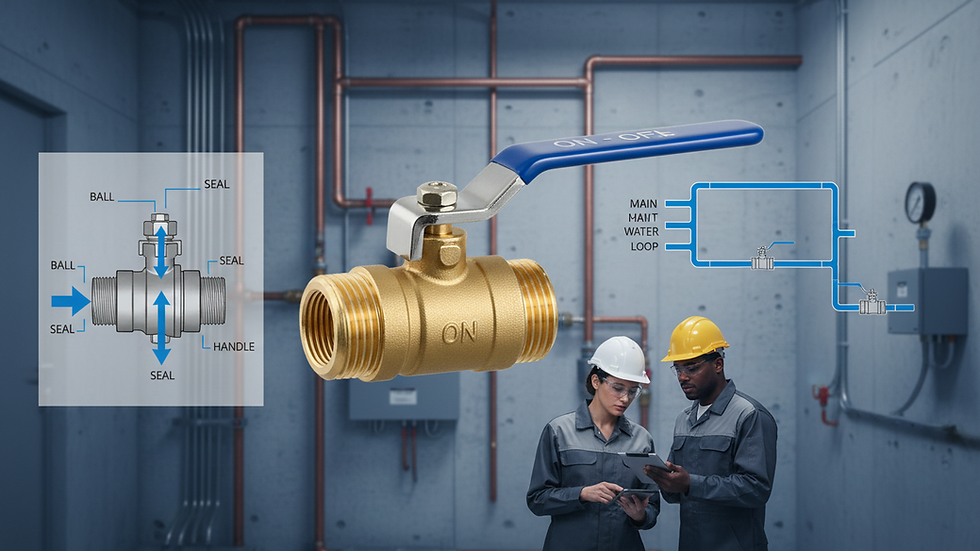
When it comes to selecting the right ball valve for your project, whether industrial or residential, the choice of supplier can make all the difference. Ball valves are critical components in many sectors, including oil and gas, chemical processing, water treatment, power generation, and food and beverage. Their reliability, durability, and performance directly impact operational efficiency and safety. In this post, I’ll walk you through the leading ball valve providers in the UK, sharing insights on materials, applications, and what to look for when sourcing these essential components.
Why Choosing the Right Ball Valve Provider Matters
Ball valves might seem straightforward, but their design and material composition can vary widely depending on the application. A trusted ball valve provider offers more than just products; they provide expertise, technical support, and tailored solutions.
Here’s why the right provider is crucial:
Material expertise: Different industries require valves made from specific materials to withstand pressure, temperature, and corrosive environments.
Compliance and certification: Quality suppliers ensure valves meet industry standards such as ISO, API, and BS EN.
Customization: Some projects need bespoke valves or actuators, which only experienced providers can deliver.
After-sales support: Installation guidance, maintenance advice, and quick replacement parts availability are vital for minimizing downtime.
Choosing a reputable ball valve provider in the UK means you get access to all these benefits, ensuring your operations run smoothly.

Top Ball Valve Providers in the UK: What Sets Them Apart
The UK market hosts several prominent ball valve suppliers, each with unique strengths. Here’s a breakdown of what to expect from the leading providers:
1. Material Variety and Quality
Ball valves come in various materials, including:
Brass: Common in residential and light commercial applications due to affordability and corrosion resistance.
Stainless Steel: Preferred in chemical, food, and pharmaceutical industries for its durability and hygiene.
Carbon Steel: Used in high-pressure and high-temperature environments like oil and gas.
PVC and CPVC: Ideal for water treatment and chemical handling where corrosion resistance is critical but pressure is moderate.
Leading suppliers stock a wide range of these materials, allowing you to select the perfect valve for your needs.
2. Range of Valve Types
Beyond standard two-way ball valves, top providers offer:
Three-way and multi-port valves: For complex flow control.
Flanged, threaded, and welded ends: To suit different piping systems.
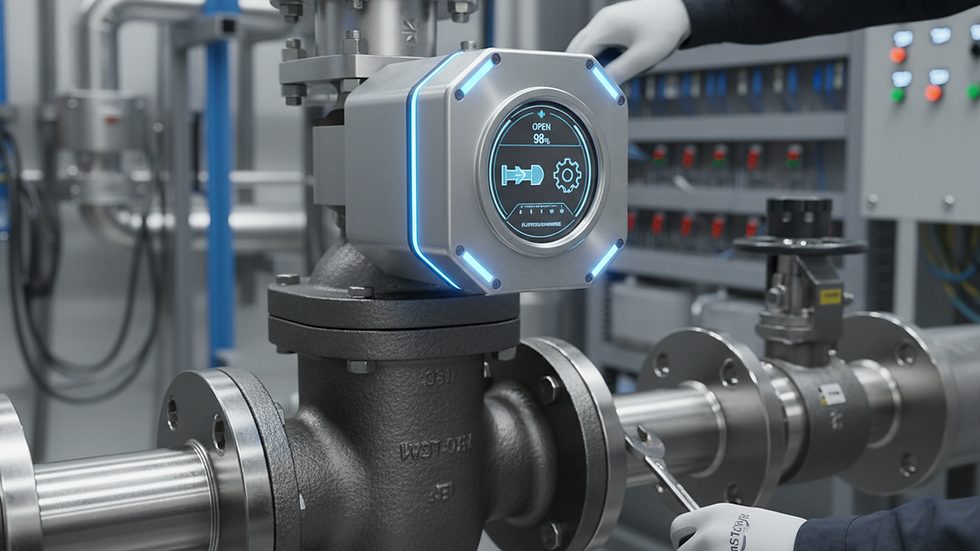
Actuated valves: For automation in industrial processes.
Fire-safe and anti-static designs: For hazardous environments.
This variety ensures you can find a valve that fits your exact specifications.
3. Technical Support and Custom Solutions
The best suppliers don’t just sell valves; they provide engineering support. This includes:
Assistance with valve sizing and selection.
Custom fabrication for unique applications.
Guidance on installation and maintenance.
Troubleshooting and after-sales service.
This level of support is invaluable, especially for complex industrial projects.

Understanding Ball Valve Materials: What Works Best Where?
One of the most common questions I get is about the best material for ball valves in different industries. Here’s a quick guide:
| Material | Best For | Pros | Cons |
|----------------|-------------------------------------|----------------------------------|----------------------------------|
| Brass | Residential plumbing, HVAC | Cost-effective, corrosion-resistant | Not suitable for high pressure or aggressive chemicals |
| Stainless Steel| Food & beverage, pharmaceuticals, chemical processing | High corrosion resistance, hygienic | More expensive, heavier |
| Carbon Steel | Oil & gas, power generation | High strength, withstands pressure | Prone to corrosion without coating |
| PVC/CPVC | Water treatment, chemical handling | Lightweight, corrosion-resistant | Limited temperature and pressure range |
Pro tip: Always consider the fluid type, temperature, and pressure before selecting valve material. For example, stainless steel is excellent for sanitary applications but may be overkill for simple water lines.
How to Choose the Right Ball Valve Supplier in the UK
Selecting a supplier is not just about price. Here are some practical tips to help you make the best choice:
Check certifications: Ensure the supplier’s products comply with relevant standards.
Evaluate stock availability: Fast delivery can be critical, so a supplier with a large inventory is preferable.
Look for technical expertise: Can they help with valve sizing and customization?
Review customer service: Responsive communication and after-sales support matter.
Consider geographic reach: A supplier with national and international shipping capabilities can save you time and money.
If you want to explore trusted options, you can start by browsing ball valve suppliers uk who offer a comprehensive range of products and expert advice.
Unexpected Facts About Ball Valves That Might Surprise You
Here are some nuggets of information that often catch people off guard:
Ball valves can be operated with one hand: Thanks to their quarter-turn design, they open and close quickly, which is a huge advantage in emergency situations.
They can last decades: With proper maintenance, ball valves can function reliably for 20 years or more.
Not all ball valves are metal: Plastic ball valves are widely used in corrosive environments and are surprisingly durable.
Fire-safe ball valves exist: These are designed to maintain sealing integrity even during a fire, critical for safety in hazardous industries.
Size matters: Ball valves come in sizes from tiny 1/4 inch to massive 24 inches or more, depending on the application.
Knowing these facts can help you appreciate the versatility and importance of ball valves in your projects.
Final Thoughts on Partnering with the Best Ball Valve Providers
Choosing the right ball valve provider in the UK is a strategic decision that impacts your project’s success. By focusing on quality materials, a broad product range, technical support, and reliable service, you can ensure your operations run efficiently and safely.
Whether you’re managing a large industrial plant or a residential system, investing time in selecting the right supplier pays off in the long run. Remember, the best providers are those who understand your needs and offer tailored solutions, not just off-the-shelf products.
If you want to explore a trusted source with extensive expertise and a commitment to quality, consider checking out ball valve suppliers uk for a seamless buying experience.
I hope this guide helps you navigate the world of ball valves with confidence. If you have any questions or need advice on specific applications, feel free to reach out. After all, the right valve can make all the difference!

Comments